Hot Pot at Home
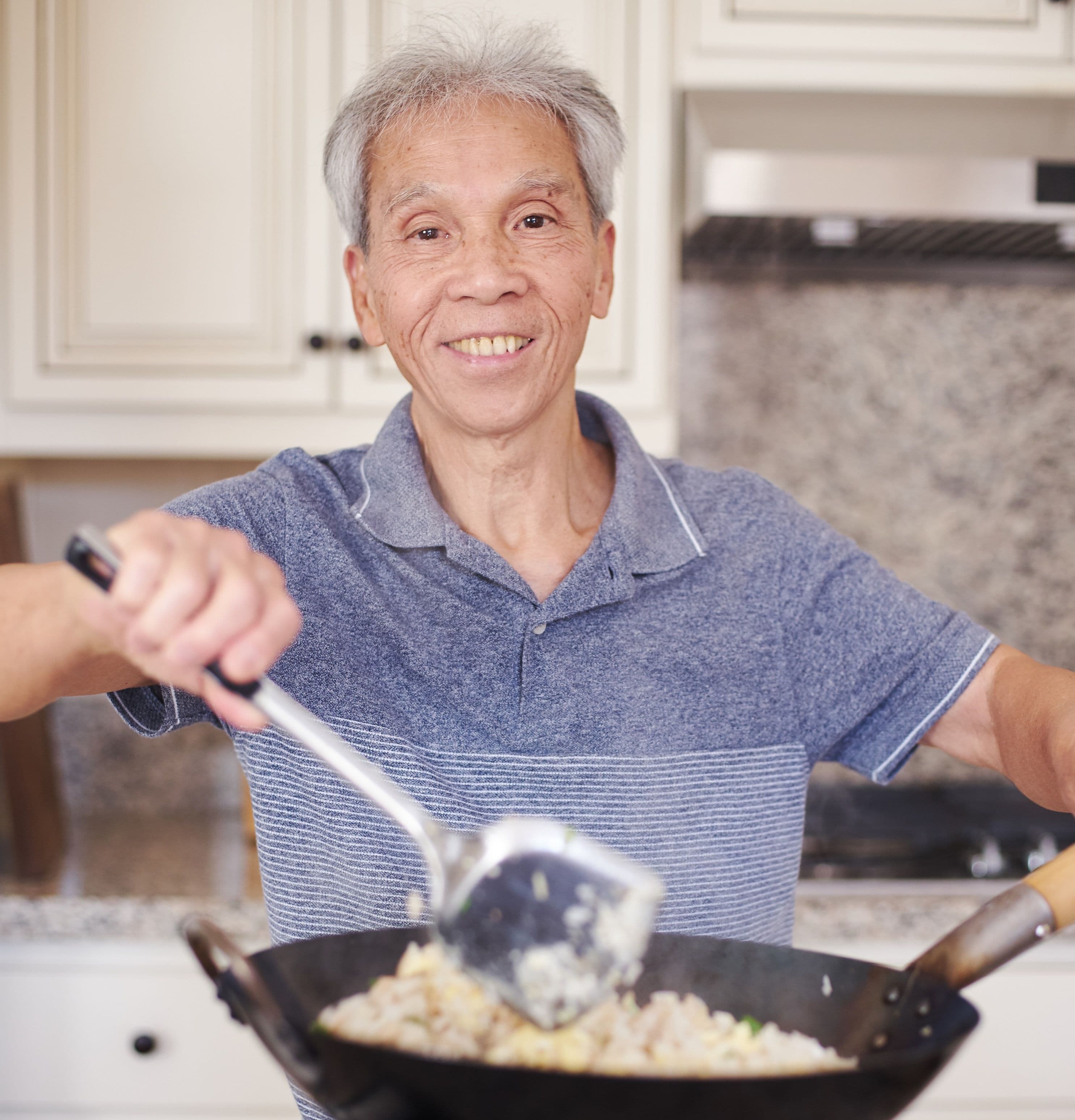
Everything you need to host your own hot pot party at home!

Cooking Summary
Ingredients: (detailed list)
- Main Ingredients: beef flank, chicken breast, pork chop, tilapia fish fillets, shrimp, squid, firm tofu, dried vermicelli noodles, spinach, Chinese broccoli, seafood mushroom, king oyster mushroom, daikon
- Fish Slice Marinade: salt, white pepper, cornstarch, water
- Squid Marinade: baking soda, water
- Pork Chop Marinade: salt, baking soda, cornstarch, water
- Dipping Sauce: light soy sauce, Shacha sauce, olive oil, sesame oil, oyster sauce, salt, sugar, chicken bouillon, chili oil, boiled water
- Fish Ball Flavors (default for ~10 oz of fish/shrimp): cilantro, green onion, ginger, dried mandarin orange peel, white pepper, chicken bouillon, salt, sugar, cornstarch, egg, water, sesame oil, olive oil
Jump To Section
Top 3 Mistakes
- Slicing fully softened meat:
Partially firm meat is easier to slice thinly for hot pot. If it moves around under the knife, follow the chilling guidance rather than struggling to cut floppy, uneven pieces.
- Cutting thick hot pot slices:
Cut the beef and chicken into the thin slices specified for hot pot. Thick chunks change the quick cooking method, so do the careful slicing before you bring everything to the table.
- Scoring the squid outside:
Score the inside of the cleaned squid with diagonal cuts before cutting it into smaller pieces. Cutting the outside instead misses the technique that helps it curl attractively in the broth.
Overview
This blog post is meant to be an incredibly thorough guide to hot pot at home.
My parents' default setting is to save as much money as possible, so we're going to show you how to DIY everything - the sliced meats, preparing seafood, fish balls, soup base, etc. (Along with some store-bought alternatives if you don't want to DIY.)
We'll be covering:
- What to buy for hot pot - How my parents shop for the freshest meats and produce at the grocery store
- How to prepare meats for hot pot - How to use a Chinese chef knife and prepare meat for hot pot
- How to create your own homemade fish balls, soup base, and dipping sauce
- What equipment you'll need to host a hot pot meal
Down the Hot Pot Rabbit Hole
What was originally just going to be a simple YouTube video on how to use a knife to cut meats...
...Turned into a two-month deep dive into hot pot and a 4 part video YouTube series on the topic, with almost 90 minutes of video content.
Here is the playlist of our hot pot series in all its glory, and the individual videos:
- 1 - How to Buy Meat at the Grocery Store
- 2 - How to Use a Chinese Chef Knife & How to Cut Meat for Hot Pot
- 2.5 - Chinese Knife Skills 101
- 3 - How to Make Fish Balls, Soup Base, Dipping Sauce
In our 2nd video, my dad showed us some basic knife skills, and we did a follow-up interview + blog post to dive deeper into some questions I had. Here's our blog post all about basic Chinese knife skills.
What is Hot Pot?
If you’re new to hot pot, it’s a really low stress way to have a fun and festive meal with people you love. On this particular weekend, we’re celebrating my birthday, but hot pot needs no excuses to be enjoyed on any day of the year.
At its core, hot pot is a social experience where you cook raw foods in a communal pot of flavored broth or soup. It has many variations across almost every Asian country, and a handful of European ones as well.
In China, the tradition of hot pot dates back thousands of years, and even just within Chinese cuisine, there are a ton of regional varieties on hot pot, ranging from the world famous spicy Sichuan style to the more grounding Guangdong flavors that my dad prefers.
Almost all Chinese hot pot meals entail preparing a variety of meats, vegetables, and starches.
Ingredients
Why this recipe
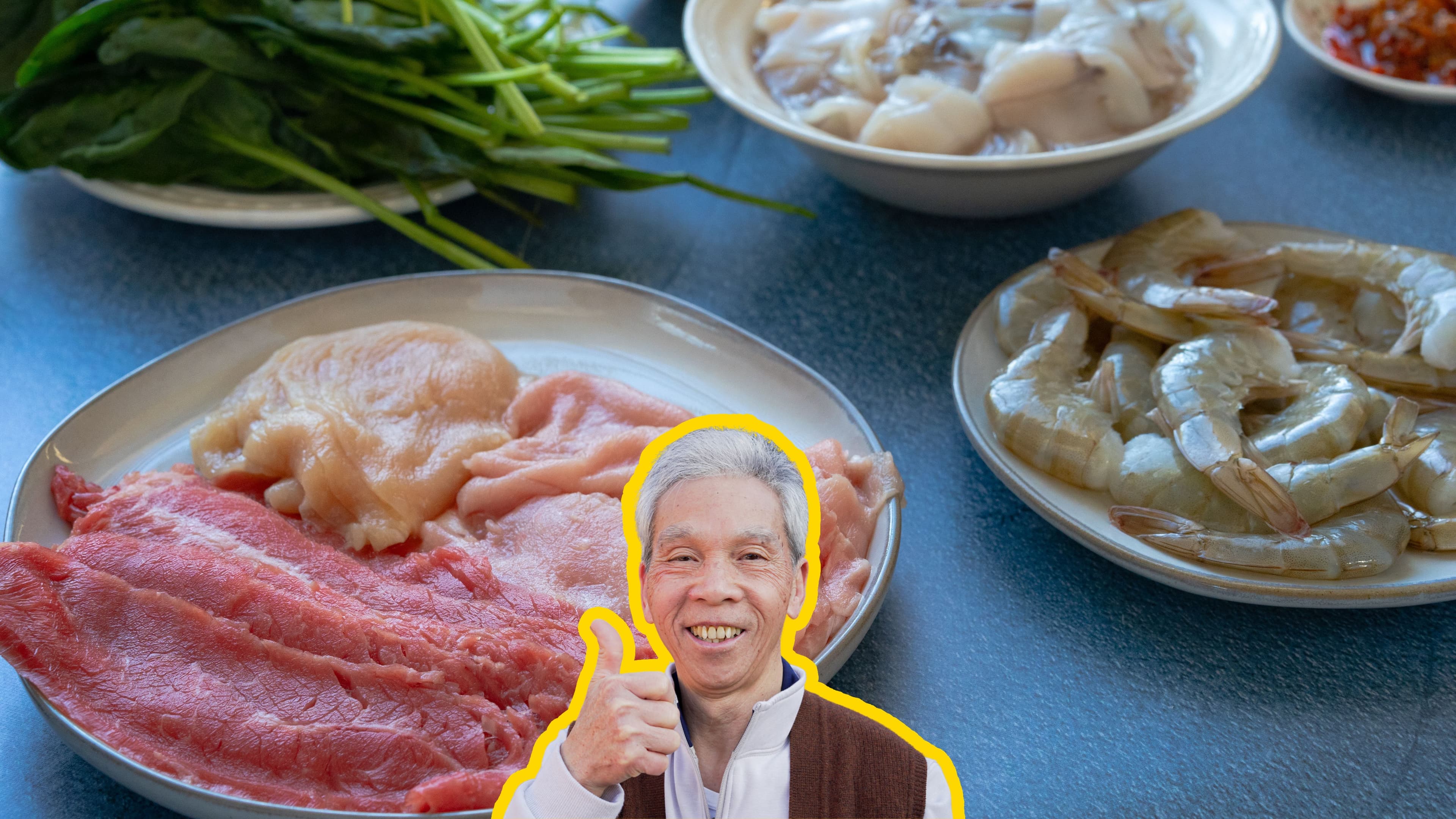
Most hot pot at home recipes online are tested only a handful of times. My dad used to make this dish multiple times a day, every day, for 60+ years and can make this in his sleep.
I know you'll love it as much as our community does! This recipe has over 400K views, 7.5K likes on YouTube.
On soup bases
As you're about to learn, my dad’s soup base is on the lighter side, which is more in line with the typical Cantonese style of hot pot.
Cantonese hot pot soups tend to be more mild, often flavored by boiling chicken, fish, or shrimp. I’ve also heard that some restaurants use rice porridge for an interesting twist on soup base.
Further up north, in places like Sichuan and Chongqing, the style of hot pot is more in line with their world-renowned mala flavor, or màhlaaht 麻辣 in Cantonese, which means numb and spicy. Their soup bases generally involve some combination of Sichuan peppers, chilies, and other spices.
If you’re looking for more nuanced soup base recipes:
- Our friends at Chinese Cooking Demystified have 3 different options for you in their own hot pot video.
- Woks of Life, a fellow Asian American family recipe blog, offer several great resources for hot pot and soup bases.
If you don’t feel like making your own soup base, there are also a ton of great ready-made options where you basically just add water. Or if you’re feeling creative and lazy, you can also use a few flavor packets from your favorite instant ramen brands, and cook the noodles during your meal.
Some options:
- Mongolian Hot Pot Style - https://amzn.to/3bAo1tV
- Sichuan Style - https://amzn.to/39n1o9M
- Seafood Style - https://amzn.to/2Lqcxyn
The soup base can be as simple as just boiling straight up water or chicken stock, or as nuanced with as many spices and ingredients as you’d like. If you’re hosting a hot pot meal, just remember to have fun and enjoy the process.
Personally, I prefer my dad’s light soup base over some of the spicier, heavier soup bases out there, and the broth gradually absorbs more and more flavor as the night goes on. Coupled with my dad’s dipping sauce, which we got a bunch of questions about, each bite is already packed with more than enough flavor for me.
What equipment do you need for hot pot?
You may or may not need to buy chopsticks, strainer ladles, a portable heating surface, and a pot.
There are some portable hot plates that are designed specifically for hot pot that come with both the heating element and a pot in one. Some pots also come with a partition, which is helpful if you wanted to offer two flavors of soup base at once.
If you wanted to save money and space, a fun little life hack is to use your rice cooker or Instant Pot for hot pot instead. They’re both portable and they can boil and simmer water, which is all you really need.
Using a Rice Cooker for Hot Pot
For a rice cooker, you can leave the lid open, and start out on the “cook” mode to bring it to a boil, and then you can adjust between the “warm” and “cook” modes throughout the meal as needed.
Using an Instant Pot for Hot Pot
For an Instant Pot, you can set it to “Saute” mode and press “Adjust” to bump up the heat until it comes to a boil, and then bring the heat down to get it to simmer.
A few notes for both methods:
- To save time, you can boil the water on your stove and then transfer it over.
- Since the pot is a lot deeper, you might consider using a deeper strainer ladle to make it easier to cook and find your food.
- This goes for every type of hot plate, but be careful not to add so much soup that it overflows when it’s boiling or when you add a bunch of food to the pot, otherwise might potentially damage the heating coils.
Some options to buy:
What foods do you buy for hot pot?
Our ingredient list is just a suggestion. There are SO many different ways to do hot pot, and the beauty is in the freedom you have to get as creative as you'd like.
Generally, you'll want a variety of leafy green vegetables, mushrooms, meat & seafood (Cantonese hot pot is known for its seafood), some root vegetables, and some rice or noodles to go with it.
Serious Eats has a great guide on hot pot that covers a lot individual options in each food category.
How to buy meat for hot pot?
My parents prefer leaner cuts of meat like beef flank and lean pork chops, but you can also opt for more fatty cuts like beef brisket, ribeye, and etc.
There's really no wrong way to go.
My parents' criteria:
- For all types of meat - try to find meat that has less (or none) water pooling around in the packaging. This is a sign that it's not as fresh.
- For whole fish - look at the eyes. If they're black, it's fresher. If it's white, it's older.
- For shrimp, squid - There's not much to differentiate other than size. For hot pot, my parents prefer 31/35 shrimp and smaller squid.
- For red meat - they look for cuts of meat that have less fat, white. I think this is mainly for their health, since some people prefer more fatty cuts.
Buying pre-sliced meats
If you're not interested in cutting your own meat and seafood, you can also buy pre-sliced packages of meat at Asian grocery stores. This convenience obviously drives the price up, but it may be worth the extra cost.
Come shopping with us!
For an extensive walkthrough and cute moments, click above to tag along on our shopping trip.
Food labels for farm animals
Amongst the strongest seals of approvals is the Animal Welfare Certified label from the Global Animal Partnership, a non profit originally created by Whole Foods Market in 2008.
This is one of only 3 food certification labels endorsed by the ASPCA, one of the oldest and largest humane societies in the world, the others being “Certified Humane” and “Animal Welfare Approved.” Although they’re not as widespread, they set much higher standards than the more common USDA Organic certifications.
If you live in the US and feel inclined to support these causes, you can look for GAP certified meat at Whole Foods, or through Butcher Box, a popular meat delivery subscription service that sources their meats in line with all of the highest standards that we’ve touched on.
Understanding food labels for beef
When shopping for beef, if available and affordable, you might consider these two labels: Certified Organic, and Grass Fed, Grass Finished.
The USDA Certified Organic label applies to a lot of different foods and drinks, but for beef, it refers to cattle that eat entirely organic feed, have access to a pasture, and are never administered antibiotics or hormones.
Grass Fed, Grass Finished, also known as 100% Grass Fed, means that the cattle ate grass for the entire duration of its life. The Grass Fed label by itself can refer to cows that started on a grass fed diet, but were fed grain in the last few months of their lives in order to help them quickly gain weight.
Buying fish from sustainable sources
It’s important to at least be aware of how we can support sustainable methods and sources of fish.
While it might not always be feasible to shop in this way, as consumers, an easy way to do our part is by making sure we vote with our wallets.
Monterey Bay Aquarium in California runs a free website called “Seafood Watch” which has a ton of recommendations on how to choose and purchase seafood in ways that have the least environmental impact.
Finding Asian Ingredients
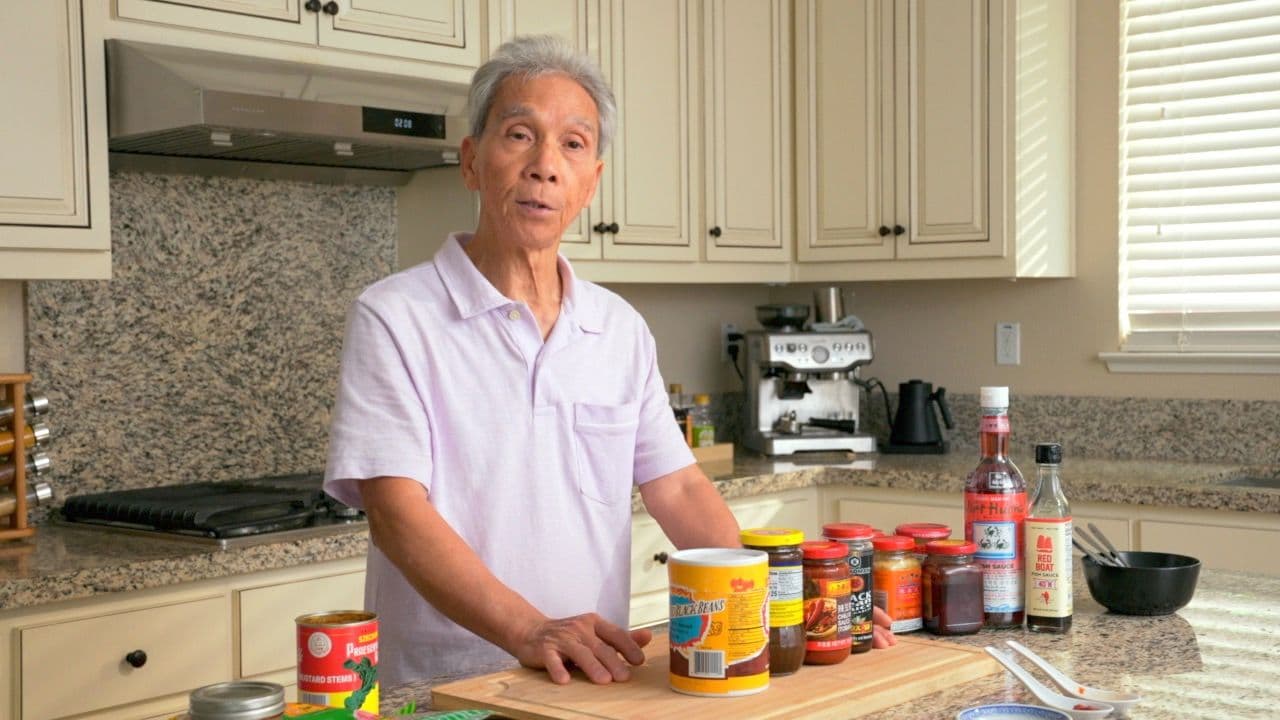
Some of these ingredients are hard to find in a typical grocery store.
If you don't live near an Asian market, most or all of what my dad uses in this recipe can be found on Amazon:
- Kadoya Sesame Oil
- Pearl River Bridge Superior Light Soy Sauce
- Lee Kum Kee Premium Oyster Sauce
- Lao Gan Ma Chili Oil
- Lee Kum Kee Chicken Bouillon
- Bullhead Shacha (BBQ Sauce)
I've also included some other Chinese kitchen essentials, used in many of my dad's other recipes.
- Koon Chun Hoisin Sauce
- Michiu Rice Cooking Wine
- Pearl River Bridge Superior Dark Soy Sauce
- Shaoxing Cooking Wine
- Chinese Sausage - Lap Cheung
- Dried Shrimp
- Dried Shiitake Mushrooms (soak for 15-20 minutes in warm water before slicing)
- Dried Wood Ear Fungus (a few options, depending on what's in stock):
These links are affiliate links, which means that if you use our links to purchase these ingredients, Amazon pays my family a small amount for the sale - at no extra cost to you. If you use these links, we really appreciate the support!
Alternatives to Oyster Sauce
If you're vegetarian or need to stay away from gluten, we have three alternatives for you!
(Also if you're vegetarian.. sorry, a lot of this post is about meat haha.)
Vegetarian Oyster Sauce
Since oyster sauce is made out of oyster extract, here are some alternatives that have a similar taste without using the actual oyster:
- Wan Ja Shan Vegetarian Mushroom Oyster Sauce
- Lee Kum Kee Vegetarian Stir Fry Sauce
- Lee Kum Kee also sells a bigger container of this.
Gluten Free Oyster Sauce
Wok Mei has a gluten-free oyster sauce, but it still contains oyster extract, so it's not vegetarian friendly.
Vegetarian + Gluten Free Oyster Sauce
Unfortunately, we don't know of a vendor that sells an oyster sauce that caters to both dietary restrictions, so you'll need to DIY the sauce.
Mix equal parts gluten free soy sauce and gluten free hoisin sauce. This isn't exactly the same as oyster sauce, but it's pretty close.
How to make Hot Pot at Home
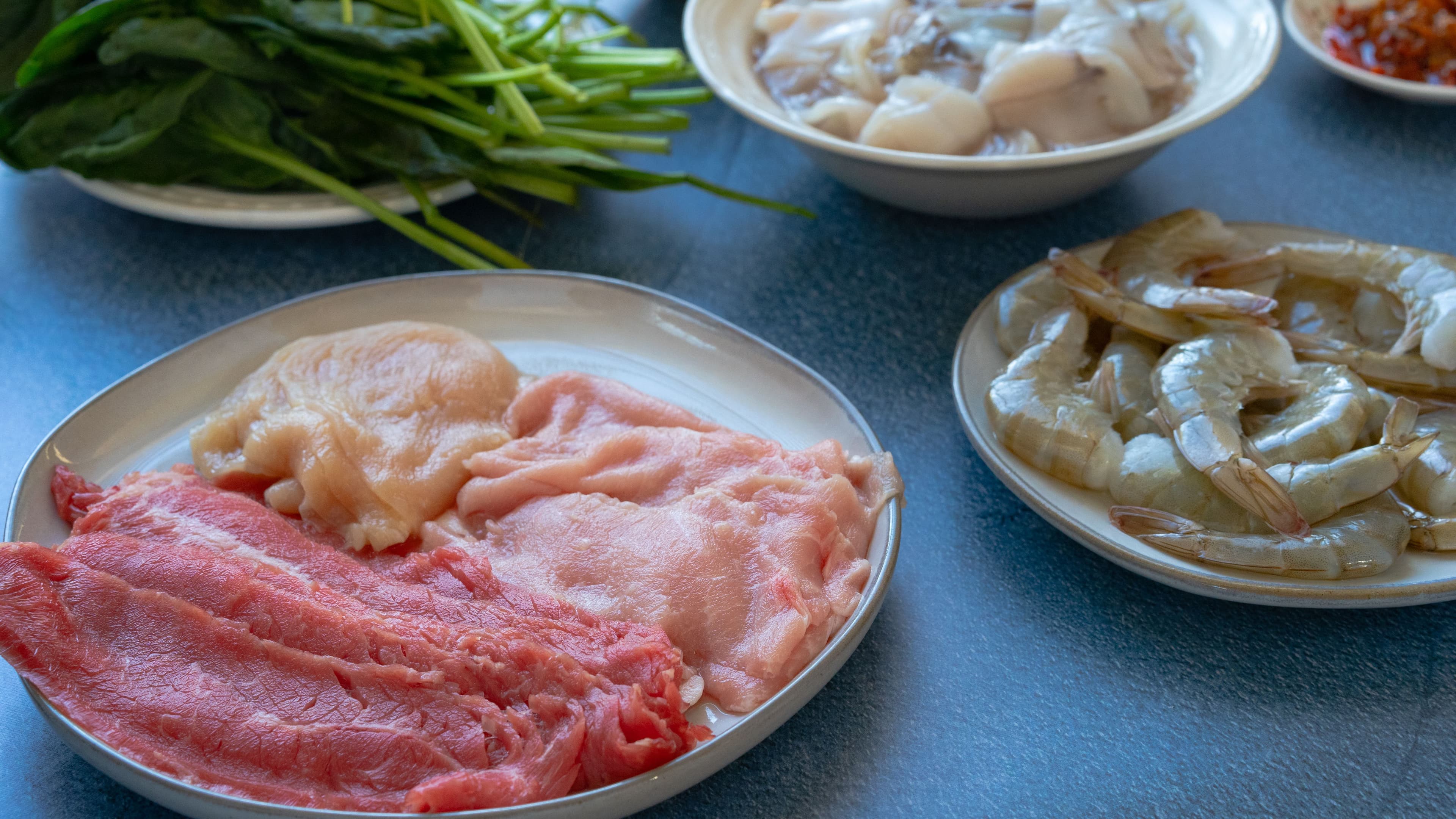
Partially frozen is significantly easier to cut into thin slices, since it holds its shape when you cut it.
- Let’s say you have meat that’s 100% frozen and you wanted to prepare hot pot on a Saturday. On Friday night, you’d move the meat out of the freezer and into the refrigerator overnight. In the morning, the meat should be partially thawed.
- If you were starting with fresh meat, then you’d place it in the freezer for about one to two hours.
- With both of these methods, the amount of time you freeze and thaw depends on your refrigerator and the thickness of your meat, but this is a good starting point.
- The meat should be still hard, but it should have some give. You’ll know if it’s still too frozen if you have a really hard time cutting it, in which case you can let it thaw for another hour or two. If the meat moves around when you try to cut it, then it’s too thawed, in which case you can freeze it again for another 30 minutes.
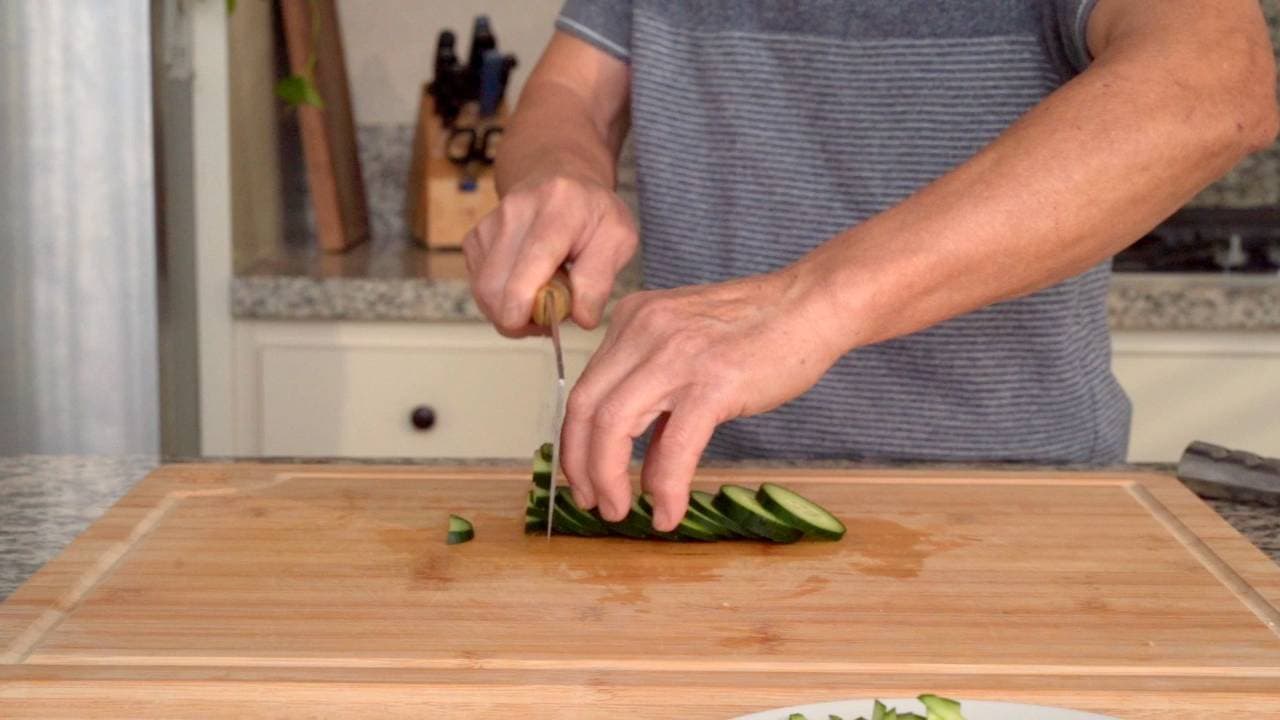
We didn't really cover this in too much depth in our videos, since there's not much to do other than wash the vegetables and to make any necessary cuts.
Nevertheless, it's important to wash and rinse your vegetables / mushrooms.
If you're using tofu (1 lb) (make sure it's firm), then cut it into cubes.
In this recipe, we're also using dried vermicelli noodles (4 oz), spinach (1 lb), Chinese broccoli (1 lb), seafood mushroom (0.50 lb), and king oyster mushroom (0.50 lb).
Before my dad starts cutting meat (or anything), he usually puts a towel underneath the cutting board so it's more stable. Speaking from decades of experience, this helped him avoid many cuts (but not all) in the kitchen.
Carefully cut each slab of meat - beef (2 lb), chicken (1 lb) - into 1-2 mm slices. We want thin slices of meat, since it's very important that these meats are able to cook quickly in our boiling hot pot.
As long as these meats have been partially thawed, these steps are pretty easy. We just need to make sure that our fingers are positioned correctly throughout the slicing, and particularly when we're looking to slice off the end of a piece.
We'll also be marinating our pork chop slices (1 lb). In an empty bowl, mix salt (0.50 tsp), baking soda (0.50 tsp), cornstarch (2 tsp), and water (1 tbsp), and then mix the pork chop with it.
This is much clearer in the video, but here are my dad's steps to preparing fresh squid (1.5 lb) for hot pot:
- Start to remove the innards by cutting down the middle with a knife. Pull out the entrails, the clear quill, and the purple membrane on the outside of the body.
- To save the tentacles, cut away the innards hanging underneath the eyes. We'll save the tentacles, and discard the rest.
- Score the interior/stomach side of the squid (not the exterior) by making diagonal cuts.
- Cut the piece into multiple smaller triangles.
The scoring helps the squid curl up into a beautiful horn when it's cooked in boiling water.
Then, we'll marinate the squid by placing mixing baking soda (0.50 tsp) and water (0.50 tsp) in an empty bowl, and then mixing the squid back in.
We'll cut about half of our tilapia fillets (1 lb) into ~1 cm slices, and marinate it with salt (0.25 tsp), cornstarch (1 tsp), water (2 tbsp), and white pepper.
Mix the seasonings in an empty bowl first, and then mix in the fish.
My dad's epic homemade fish balls deserve their own recipe page. Find it here!
You can use whatever ratio you want, but my dad was using about 8 oz of tilapia and 2 oz of shrimp in this video.
As an overview:
- Finely mince tilapia (0.50 lb), and beat it down to flatten it. Repeat.
- Finely mince shrimp (0.15 lb), and beat it down to flatten it. Repeat.
- Mix the tilapia and shrimp together, and flatten it.
- Finely chop cilantro (4 piece), green onion (4 piece), a rehydrated dried orange peel, and ginger
- Mix salt (1 tsp), sugar (1 tsp), white pepper (0.50 tsp), chicken bouillon (1 tsp), egg, cornstarch (3 tbsp) in a bowl.
- Add the fish paste and greens to the bowl, and mix thoroughly for 2-3 minutes.
- Add sesame oil (1 tsp), olive oil (1 tsp), mix for another 30-60 seconds.
- Take clumps of fish paste and slam it down on the bowl - this helps increase the pliability of the fish paste.
- Cover and refrigerate for at least 30 minutes
When it comes time to eat, we'll make each fish ball as we drop them in. We'll scoop up a ball of fish paste with a spoon, and then dunk it in the hot pot. It will be ready to eat in a little under a minute - soft, chewy, tender goodness and all.
All we need to do is peel our daikon (1.5 lb), cut it in half, and then cut it up into about 1 cm slices. We'll start boiling our hot pot broth with daikon, and then eat it at the end after it's soaked up all of the delicious flavors from the other foods.
For my dad's dipping sauce, we'll be mixing light soy sauce (4 tbsp), Shacha sauce (1 tbsp), olive oil (1 tbsp), sesame oil (0.50 tbsp), oyster sauce (4 tbsp), salt (1 tsp), sugar (1 tsp), chicken bouillon (1 tsp), chili oil (0.50 tsp), and boiled water (4 tbsp).
The boiled water helps the sauce stay fresh for longer.
Frequently Asked Questions
What's the best soup base for hot pot?
While the best soup base is an entirely subjective discussion, we are happy to introduce you to our tried-and-true classic Cantonese base.
Cantonese cuisine is known to be mild and fresh, and the soup base for hot pot reflects that. We just use chopped daikon in boiling water, and let the ingredients we're eating continue to flavor the broth throughout the meal. Yes, it's that simple! The daikon will be super delicious at the end of the meal.
Other regions will use more complex, richer broths.
If you see store-bough hot pot bases in your local grocery store, those are great ways to try new flavors of broth, although they'll contain higher amounts of salt, sugar, and other preservatives.
Can you use pre-sliced meat for hot pot?
Yes! It's a lot more expensive, but if the convenience is worth the extra cost, then go for it.
If you have the time and patience to learn to thinly slice your own meat, though, you have a lot more control over the quality and cut of meat. Check out our recipe instructions above for our tips for easily slicing meat thinly for hot pot.
What's the best dipping sauce for hot pot?
My dad's amazing recipe for dipping sauce includes light soy sauce, Shacha sauce, olive oil, sesame oil, oyster sauce, salt, sugar, chicken bouillon, chili oil, and boiled water. With this flavorful sauce, we don't even need a rich broth for a mind-blowing hot pot experience. Check out the ingredient list above for specific amounts.
Of course, there are endless combinations of dipping sauce; hot pot restaurants sometimes have dipping sauce bars, where they lay out all the possible condiments and ingredients for you to customize your own concoction. At home, you can experiment with different condiments, spices, oils, and sauces.
Pairs well with
View all →

Made with love ❤️
We started Made With Lau to celebrate Cantonese culture and honor the legacy of our wonderful parents, Jenny and Chung Sun Lau.
Our hope is that these recipes and stories help you spread the joy, love, and nostalgia that I felt growing up.