Chicken & Veggie Stir Fry
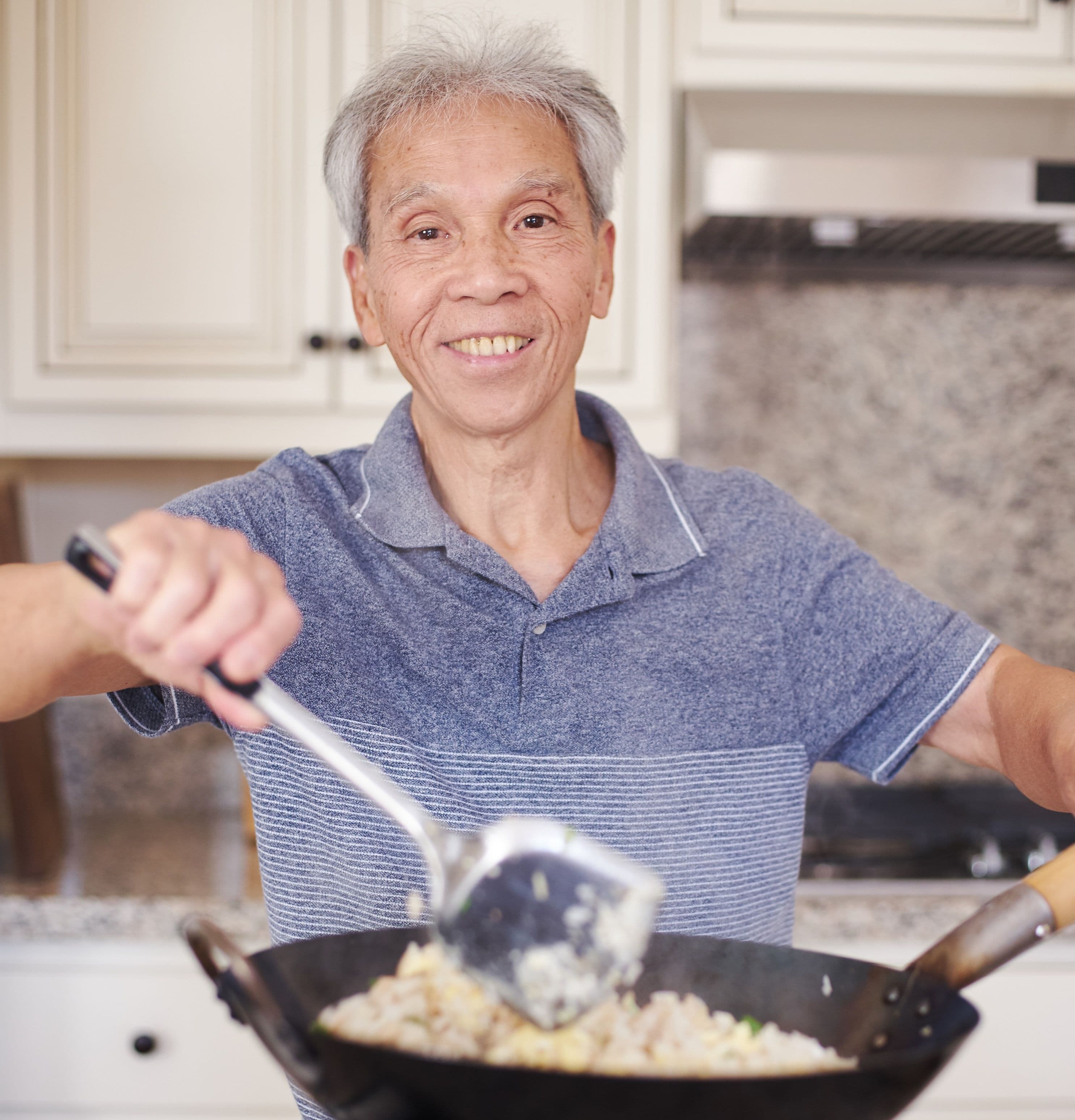
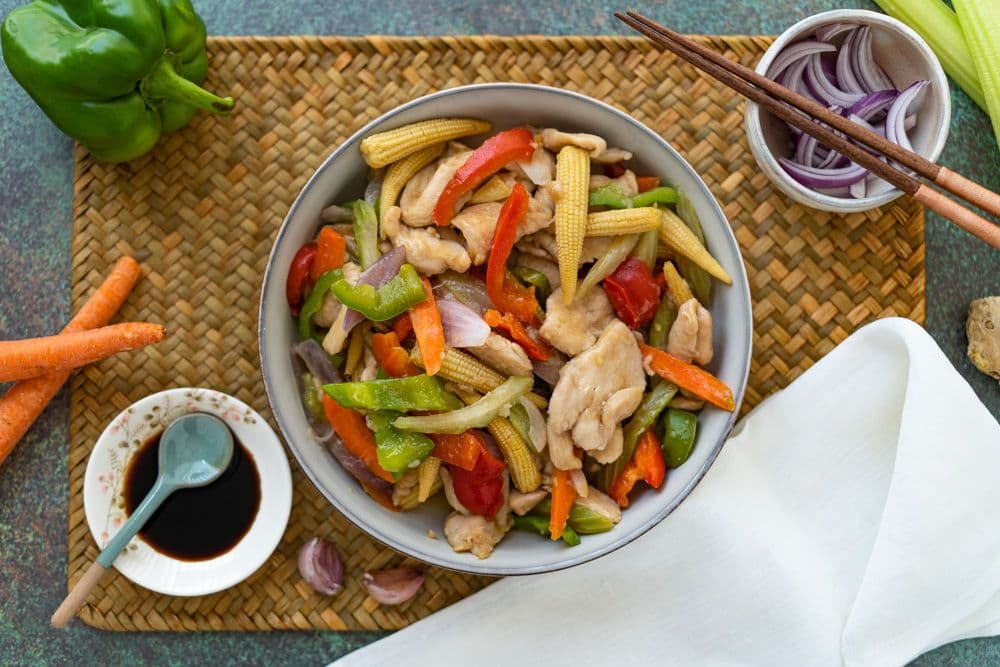
This beautiful, nutritious stir-fry comes together in a snap!

Cooking Summary
Ingredients: (detailed list)
- Main Ingredients: chicken breast, red bell pepper, green bell pepper, carrot, onion, celery stalk, baby corn, ginger, garlic
- Chicken Marinade: salt, sugar, light soy sauce, oyster sauce, cooking wine, chicken powder, cornstarch, water
- Vegetable Flavors: cooking wine, sugar, salt, oyster sauce, water
- Other: cornstarch, water, oil, for cooking chicken, oil, for cooking vegetables
Jump To Section
Top 3 Mistakes
- Choosing watery vegetables:
Consider water content when swapping vegetables in this stir-fry. Ingredients that release lots of liquid can leave the chicken sitting in a puddle instead of a sauce that coats it.
- Cutting mismatched pieces:
Cut the vegetables into the sizes and shapes shown in the recipe. Consistent pieces are easier to cook evenly, rather than leaving some hard while smaller pieces become too soft.
- Starting with a cool pan:
Heat the wok or pan as directed before adding the ingredients. Starting before it is ready changes the initial cooking stage and makes the intended browning harder to achieve.
Overview
Rainbow Chicken Stir Fry used to be a staple at my parents' Chinese restaurant back in the day. It's a perfect balance of visual appeal, juicy taste, and healthy ingredients.
There are a ton of variations on this dish. You can swap out the meat or any of the vegetables to your liking (more on that below).
Read on to learn my dad's secrets!
Ingredients
Why this recipe
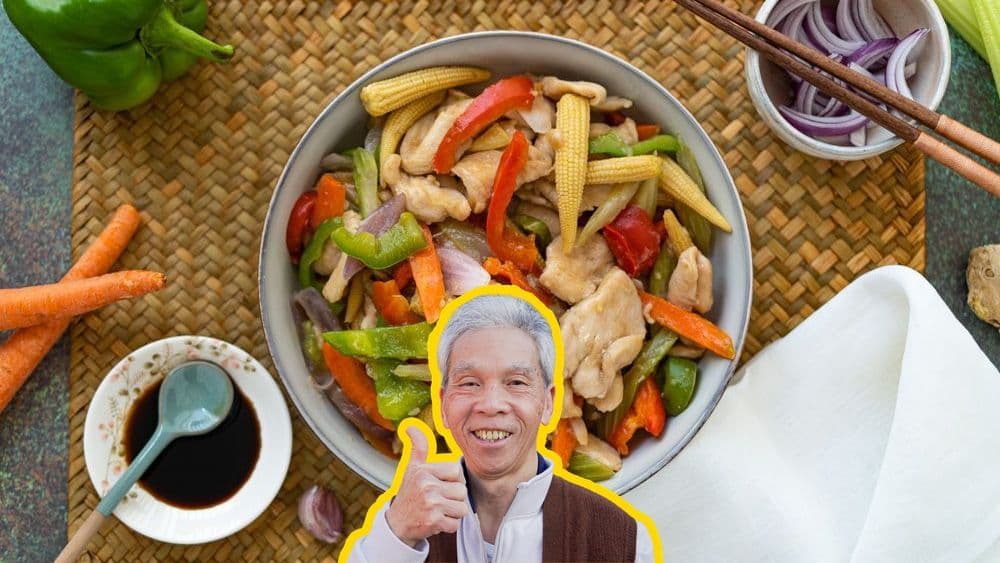
Most chicken & veggie stir fry recipes online are tested only a handful of times. My dad used to make this dish multiple times a day, every day, for 60+ years and can make this in his sleep.
I know you'll love it as much as our community does! This recipe has over 192.3K views, 4.1K likes on YouTube.
Cornstarch is key
My dad uses cornstarch in almost everything he makes. In this particular dish, cornstarch (mixed with water) helps thicken the consistency of the sauces.
It also acts as a "glue", binding the flavorful sauces and spices to the chicken & veggies.
Selecting vegetables
This dish is fairly flexible in terms of what types of veggies you can use. You can't go wrong with the veggies my parents went with.
The main thing to keep in mind is to select veggies that don't release a lot of water when cooking.
According to my dad, to truly master this dish, you shouldn't have any water pooled at the bottom of your plate or wok after everything has been cooked.
Safe substitutes or additions: mushrooms, broccoli
Some veggies to avoid: bok choy, gailan
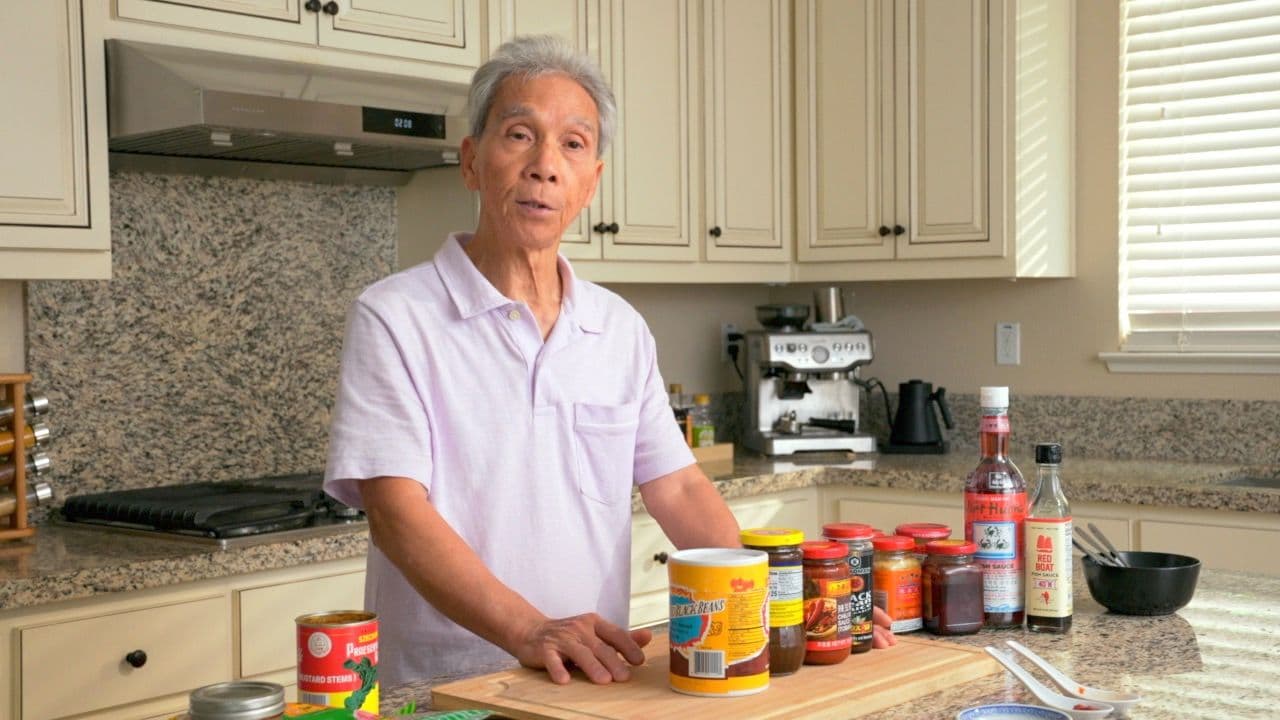
My parents list off what to try and what to avoid here:
Finding Asian Ingredients
Some of these ingredients are hard to find in a typical grocery store.
If you don't live near an Asian market, most of what my dad uses can be found on Amazon:
- Shaoxing Cooking Wine
- Pearl River Bridge Superior Light Soy Sauce
- Lee Kum Kee Chicken Bouillon
- Lee Kum Kee Premium Oyster Sauce
These links are affiliate links, which means that if you use our links to purchase these ingredients, Amazon pays my family a small amount for the sale - at no extra cost to you. If you use these links, we really appreciate the support!
How to make Chicken & Veggie Stir Fry
In a mixing bowl, add salt (0.50 tsp), sugar (0.50 tsp), light soy sauce (1 tsp), oyster sauce (1 tsp), cooking wine (1 tsp), chicken powder (0.50 tbsp), cornstarch (1 tsp), and water (2 tbsp). Give it a nice stir until it's an even consistency.
Then, cut your chicken (10 oz) into thin slices. My dad prefers making diagonal cuts. Be sure to trim the fatty pieces away.
Now, marinate your chicken by repeating this 3 step process:
- Mixing the chicken around in the bowl
- Gather the chicken into a clump with your hands
- Squeeze hard so that the marinade absorbs more efficiently.
Do this for about 2-3 minutes. There should be hardly any residual juices in the plate by the end.
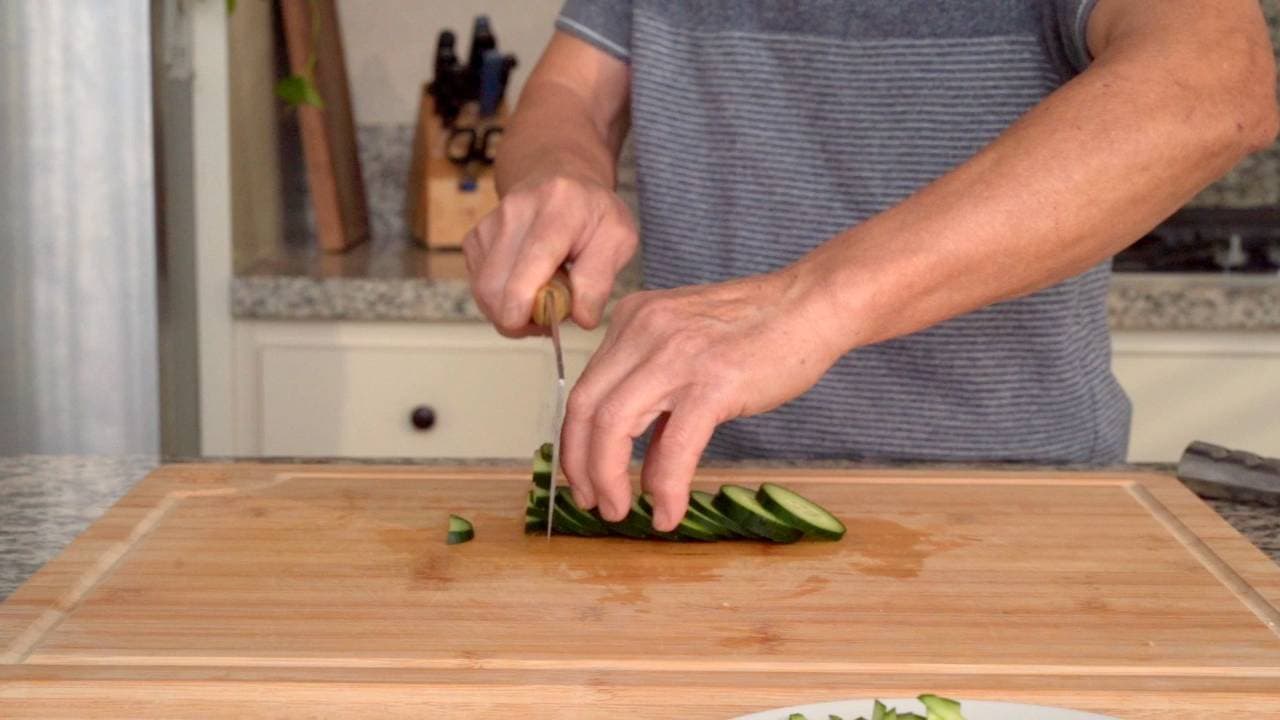
Time to prepare the rainbow!
With your favorite knife and cutting board, cut red bell pepper, green bell pepper, carrot, onion, and celery stalks into strips.
We'll also be adding baby corn, chopping thin slices of ginger (1 tsp) and mincing garlic (1 tsp).
Make a mental note for later that you'll be using half of your garlic & ginger to cook the chicken, and the other half to cook the vegetables.
Set the stove to high heat. Then, with a small mixing bowl or cup, mix cornstarch (0.50 tbsp) and water (3 tbsp).
You'll be saving this for the very end.
Once your wok is hot enough, add oil (3 tbsp), and half of the ginger and garlic you prepared previously.
Let the ginger and garlic cook for about 1 minute, releasing their aromas.
Take your chicken that's been peacefully soaking and marinating in flavorful goodness, and throw it into the wok. Stir and flip the chicken periodically until the pieces turn white.
We don't need to cook the chicken to completion during this step, since we'll be cooking it again later.
Once the chicken is done, put it back into a bowl for later.
Pro tip: if you want to clean one less bowl, you can use the same bowl you mixed the marinade in with.
Before cooking the vegetables, add oil (1.5 tbsp) (less than we used for the chicken), and the remainder of the ginger and garlic into the wok.
Let this heat up and cook for about a minute.
Now, add the rainbow of vegetables into the wok, stirring and tossing constantly.
After stirring the vegetables for about a minute or two, add cooking wine (1 tbsp), sugar (0.50 tsp), salt (0.50 tsp), and oyster sauce (1 tbsp) into the wok. Continue stirring.
Add the chicken back into the wok, along with a bit of water (2 tbsp) to help generate some steam for the ingredients to cook.
Cover the wok.
My dad refuses to use timers or any sort of precise measurements when he cooks, and says this step takes 2 minutes. In practice, it took about 3 minutes for the wok to start boiling again.
The all-important step: pour the cornstarch mix (cornstarch (0.50 tbsp) & water (3 tbsp)) from earlier into the wok. This helps tie all of the flavors together, almost literally.
Stir the wok around several times.
The cornstarch acts as an agent that thickens the sauce and binds the diverse flavors in the dish to the vegetables and chicken.
Winner winner, chicken dinner! It's done.
Transfer the rainbow chicken stir fry into your favorite plate or bowl.
Frequently Asked Questions
How do you decide which vegetables can go into stir-fry?
You can add or replace any of the meat or vegetables from our recipe with ones you prefer.The most important thing to keep in mind is water content. You should use vegetables that won't release a lot of water as they cook, because your stir-fry may end up with a puddle of watery sauce in the end.
My parents recommend things like mushrooms and broccoli. They'll also release some water, but not as much as leafy greens like spinach or bok choy.
How do you season the chicken for stir-fry?
Here is our marinade for the chicken: salt, sugar, soy sauce, oyster sauce, cooking wine, chicken powder/bouillon, cornstarch and water. Check the ingredient list above to see precise amounts. Don't forget that you can scale the recipe up and down!
Is chicken stir-fry healthy?
Our recipe for Rainbow Chicken Stir-Fry is really nutritious! The name "Rainbow" is key, because the more colorful of a range of vegetables you consume, the more variety of nutrients you're getting in your diet.
You can make sure that you make the healthiest version possible by choosing good quality chicken and good quality produce. Our recipe already has very little oil and salt, and you can always reduce them further or omit them if necessary, though the stir-fry may come out slightly less flavorful.
Restaurant or instant versions may not be as healthy when they include additives and preservatives, but because you're making the chicken stir-fry from scratch, you have full control over the ingredients.
How do you keep the stir-fry from getting watery?
First of all, when choosing ingredients for your stir-fry, opt for vegetables that are heartier and don't release as much water. Put your leafy greens aside and use them for other dishes; spinach and bok choy, for example, won't work well in this recipe.
Also, mind your cooking time. The longer you keep the ingredients cooking, the more water they release. Go hot and fast!
Finally, don't forget the cornstarch slurry. It's important for thickening up the juice and turning it into a stickier sauce that'll stay on your chicken and vegetables.
How do you keep from overcooking the chicken or vegetables in stir-fry?
There are two ways to keep from overcooking/undercooking ingredients that have different cooking times.
First, you can pre-cook everything separately, and then put them all together in the end. Second, you can keep in mind the timing of each ingredient and add them to the heat in order of slowest-cooking to fastest-cooking. For either method, cutting or preparing your ingredients into uniform shapes and sizes always helps!
Each method has its pros and cons. Cooking things separately means you have the most control over how much each thing is cooked, but it will not let the flavors meld as well, and you run the risk of ingredients cooling off, maybe even into the danger zone. Cooking things together means that flavors are all coming together for the longest time, but your wok or pan is going to get pretty full, and some things may sit in your wok or pan for a long time, probably releasing tons of water.
In our recipe, we combine the two methods, partially pre-cooking the chicken, but doing all the vegetables together.
Pairs well with
View all →
Made with love ❤️
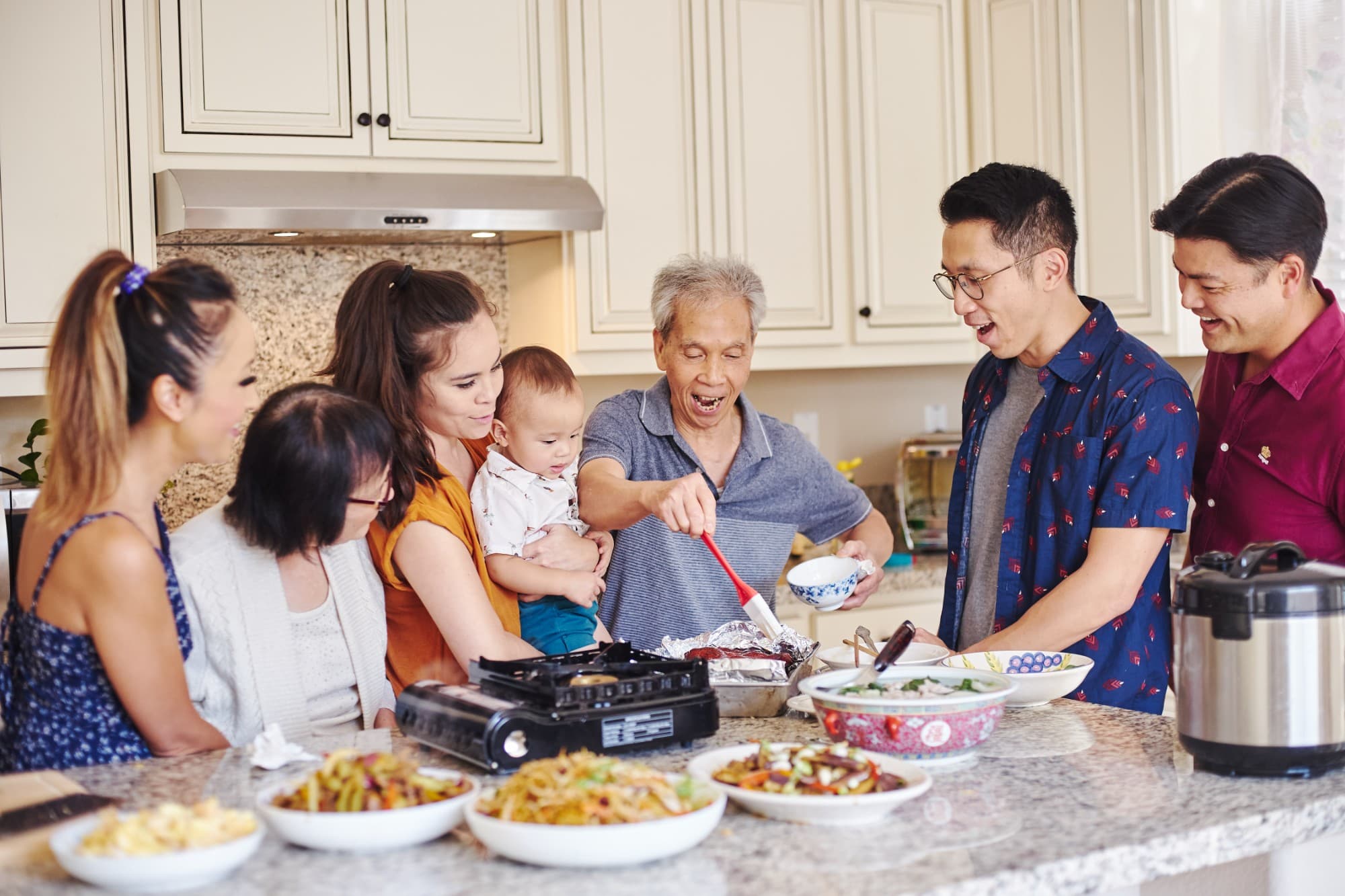
We started Made With Lau to celebrate Cantonese culture and honor the legacy of our wonderful parents, Jenny and Chung Sun Lau.
Our hope is that these recipes and stories help you spread the joy, love, and nostalgia that I felt growing up.