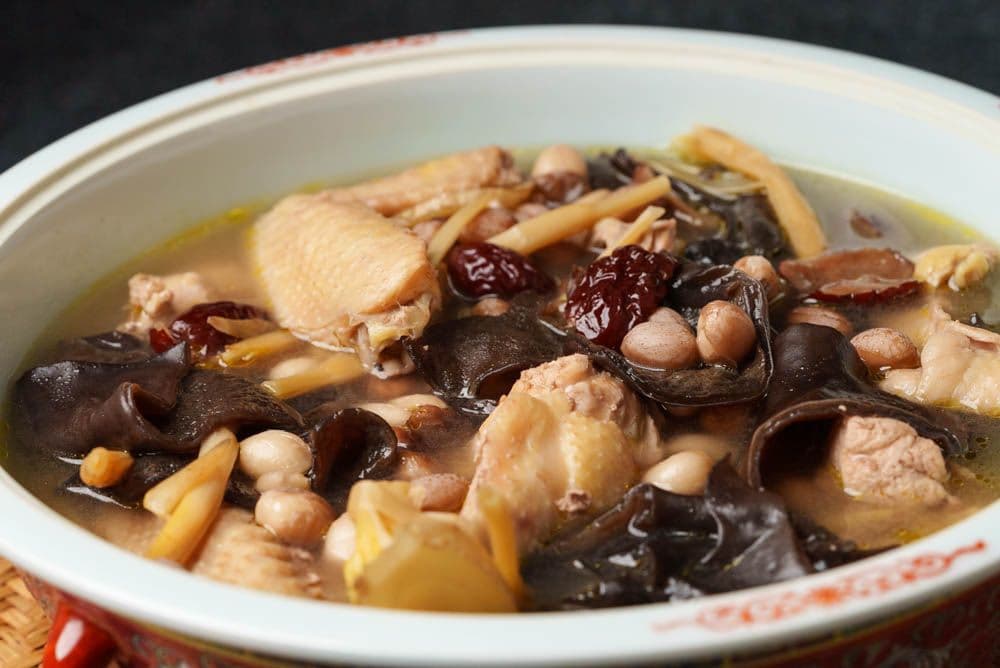
Chicken With Ginger & Rice Wine Soup
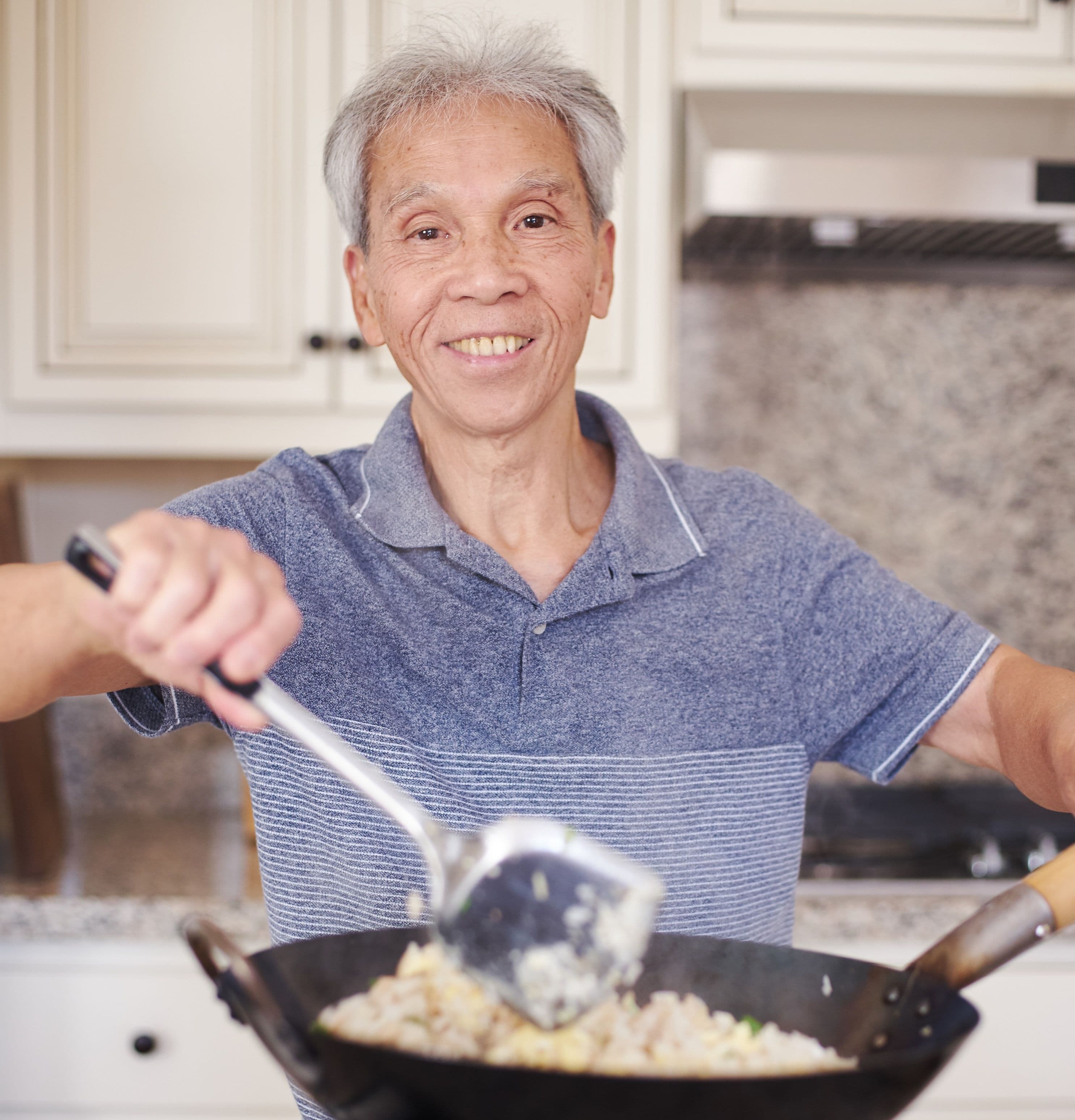
A traditional Chinese postpartum recipe that's filled with healing ingredients.

Cooking Summary
Ingredients: (detailed list)
- raw peanut, wood ear mushroom, dried jujube, dried daylily, ginger, whole chicken, oil, water, drinking rice wine, salt
Jump To Section
Top 3 Mistakes
- Leaving ingredients too wet:
Drain and dry the ingredients as directed before they reach the pan. Extra water changes how they cook, making it harder to get the browning and texture the recipe calls for.
- Burning the garlic early:
Watch the aromatics closely once they hit the hot oil. Follow the recipe’s heat and timing, moving on when they become fragrant rather than letting them turn dark and bitter.
- Keeping the boil too fierce:
Turn down the heat when the recipe moves to a simmer. A hard boil changes how quickly liquid evaporates and how gently the ingredients cook, so follow that change in heat.
Overview
The first few weeks of a newborn's life are not only a special time when the baby and parents bond, but it's also an important period of healing for the birthing parent. In Chinese culture, the 30 days after a mom gives birth, also known as sitting the month, is especially critical for restoring her health, some of which is done through food.
Chicken With Ginger & Rice Wine Soup (薑雞酒湯) is one such food. This Chinese soup is traditionally prepared and consumed during the confinement period to help with the birthing parent's recovery. There are many recommended guidelines, such as avoiding cold air and limiting movement, along with a confinement diet that's filled with restorative foods. The ingredients in this soup each have a purpose: ginger to get rid of coldness, wood ear mushrooms help with circulation and jujubes replenish the blood.
To learn more about these ingredients, you can also check out our other postpartum recipes, Ginger Fried Rice and Pork Knuckles in Ginger Vinegar Stew.
Ingredients
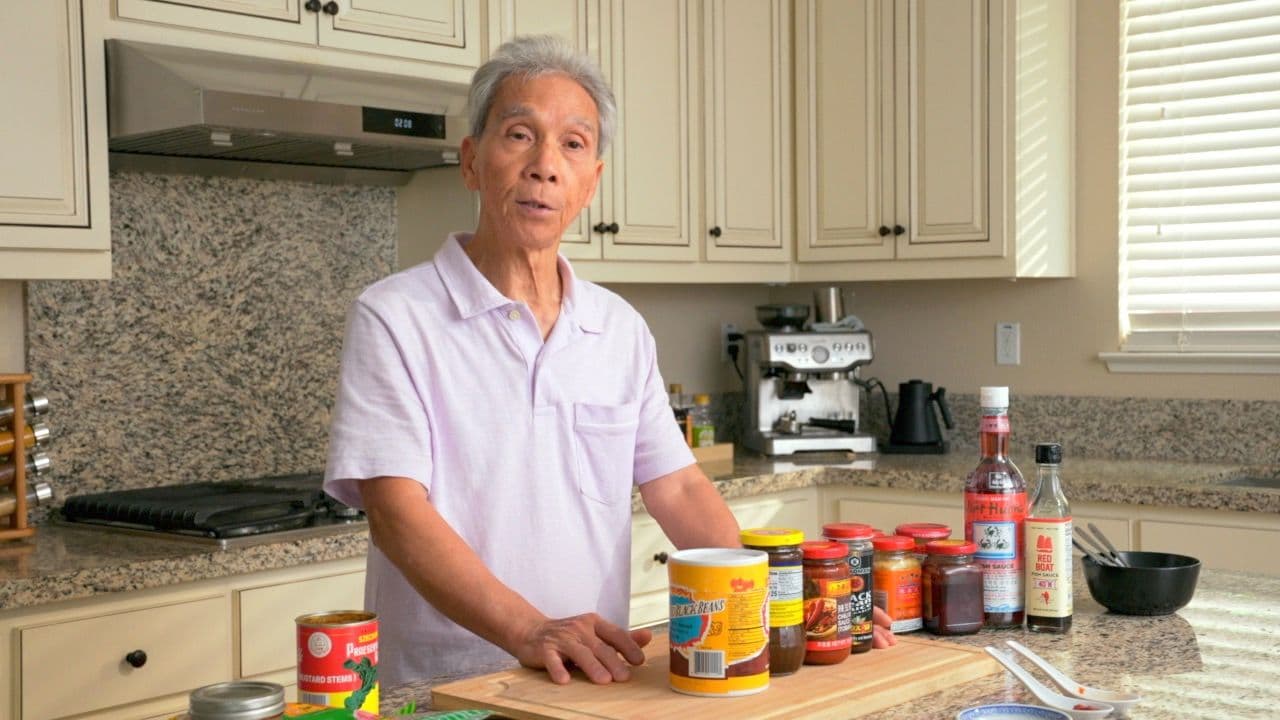
Why this recipe
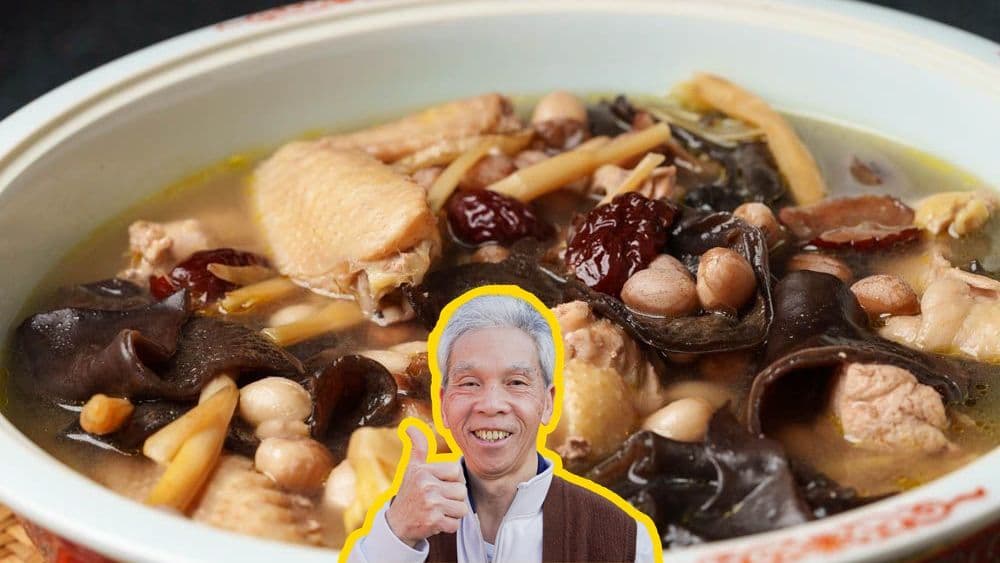
Most chicken with ginger & rice wine soup recipes online are tested only a handful of times. My dad used to make this dish multiple times a day, every day, for 60+ years and can make this in his sleep.
I know you'll love it as much as our community does! This recipe has over 256.9K views, 4.9K likes on YouTube.
On ginger
In traditional Chinese medicine, ginger is believed to be a powerful healing ingredient for newly postpartum moms. During the period of confinement, women are supposed to get rid of any lingering coldness in their body and ginger, a warming ingredient, is thought to help with this.
On rice wine
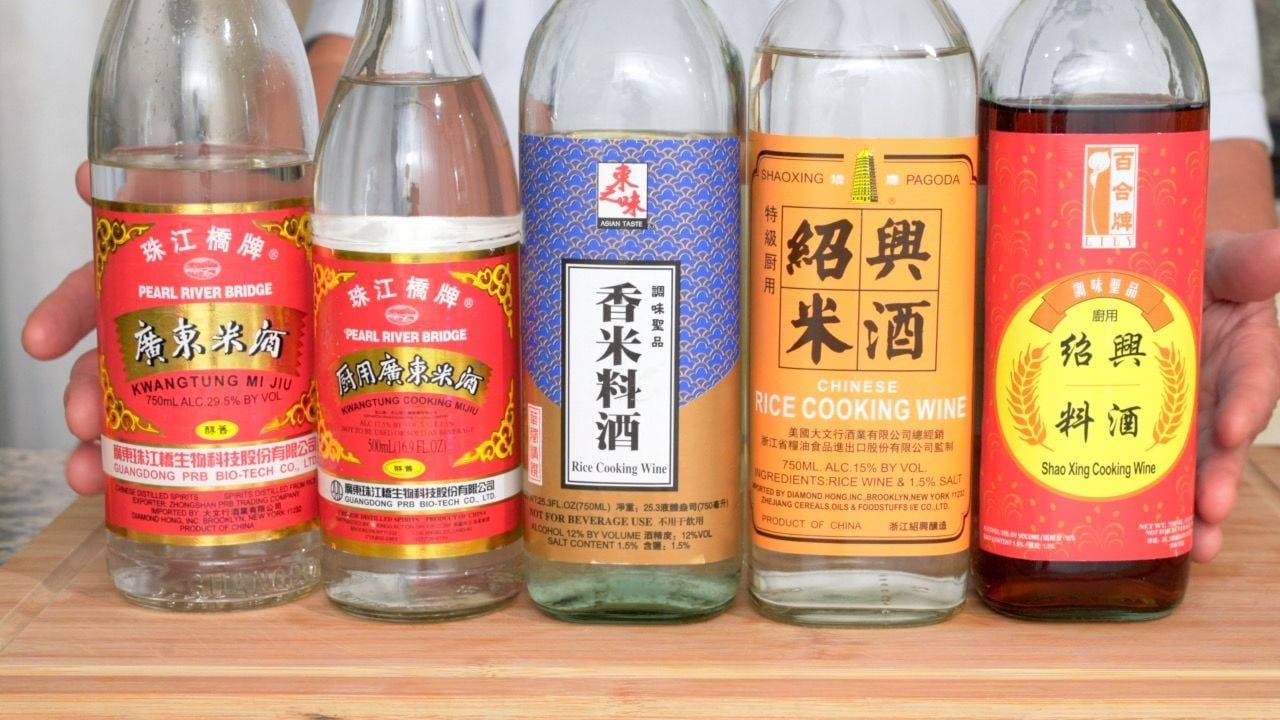
One of the other key ingredients in this Chinese postpartum soup is rice wine. My dad prefers to use the one made by Pearl River Bridge. Though it's called a wine, its alcohol content (29.5%) is closer to that of a liquor. Only 1/2 cup is used here, so the soup has a fairly low alcohol volume, but does still have its distinct taste.
The ingredients for this soup can be found at most Chinese supermarkets and also online:
- Dried Daylily
- Dried Jujube
- Dried Wood Ear Fungus (a few options, depending on what's in stock):
These links are affiliate links, which means that if you use our links to purchase these ingredients, Amazon pays my family a small amount for the sale - at no extra cost to you. If you use these links, we really appreciate the support!
How to make Chicken With Ginger & Rice Wine Soup
Place the peanuts (5 oz) in a bowl, wash with water, then drain. Add enough warm water to cover the peanuts and set aside to soak.
Add the wood ear mushroom (1 oz) into a bowl, cover with warm water and set aside to soak for 5 minutes.
Rinse the dried jujubes twice, drain and set aside.
Add dried daylilies (1 oz) to a bowl, cover with warm water and set aside to soak for 2 to 3 minutes.
Wash the entire piece of ginger (2 oz) thoroughly to remove any dirt, then cut into thin slices.
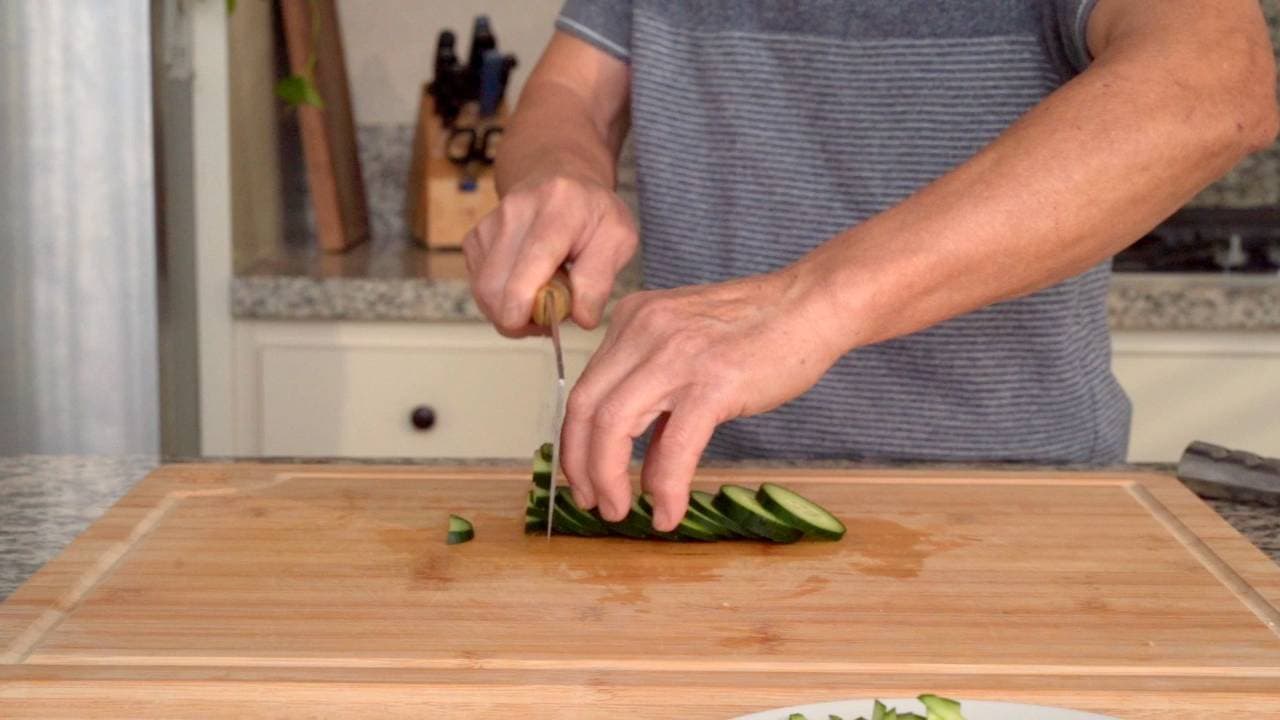
To get the chicken ready, start by slicing the feet off below the leg joint and cutting each one in half.
Cut off the skin around the neck of the chicken, then remove and discard the head.
Cut the neck in half.
Remove and discard the skin. Slice through the skin at the center of the chicken's back, then flip the chicken around and do the same on the breast side.
Carefully cut through the joint at one of the wings and separate it from the chicken. If done right, some skin should be attached to the wing. Trim the skin that's attached to the wing and discard it.
Cut off the wing tips, then cut the wing into 2 to 3 smaller pieces.
Repeat this process for other wing.
Cut off the chicken leg. Bend it by the joint, then slice through it with the knife to fully remove the leg.
Remove and discard the butt.
Cut at the joint to detach drumsticks (Daddy Lau saves these for another recipe, but people can of course use these for this recipe by cutting them in half.).
Divide the thighs into 2 smaller pieces.
Divide the carcass in half, separating the breast side from the back side. Trim off and discard any excess fat.
Chop the back into 4 smaller pieces.
Chop the breast into 4 smaller pieces.
Cut the rehydrated jujubes in half, carefully slicing around pit to remove. Discard the pits.
Drain the wood ear mushroom. Use kitchen scissors to remove the core. Discard the core, then tear the mushroom into bite-sized pieces.
Drain the peanuts.
Drain the rehydrated daylilies. Rinse a second time, drain and gently squeeze out any excess water. Trim off the tough ends.
Add boiling water to a wok on high heat. Cover and bring back to a boil.
When water comes to a rolling boil, add the chicken pieces. Stir the chicken gently to make sure each piece is submerged in water. Cook until the color of the chicken pales, about 2 minutes.
Turn off the heat and use a spider strainer to transfer the chicken to a bowl of cold water. Let them cool for 20 to 30 seconds.
Use the spider to transfer to a clean bowl.
Place a large pot on the stove on high heat.
Add the oil (1 teaspoon) and ginger to pot, then stir fry until fragrant, about 50 seconds.
Add the peanuts and stir fry for 20 seconds.
Add the water (8 cup) to the pot, add the wood ear fungus and cover the pot with a lid. Bring to a boil on high heat.
When it comes to a boil, reduce the heat to low and simmer for 20 to 30 minutes until peanuts are soft.
Once the peanuts have softened, uncover the pot and increase the heat to high.
Add the chicken, jujubes and daylilies, then cover the pot again.
When the soup comes to a boil, reduce the heat to medium-low and cook for 15 minutes.
Remove the lid, add the rice wine (0.50 cup) and cook for about 1 min.
Add the salt (0.50 teaspoon), stir, turn off the heat and plate.
(Chef's Tip: Instead of pouring the salt directly into the soup, which would then require you to stir around a bunch of ingredients, my dad adds the salt to the ladle. He fills it up with a bit of soup to dissolve the salt, then pours the seasoned soup in a circle around the pot to season it evenly.)
Frequently Asked Questions
Is there a strong alcohol flavor?
For this postpartum soup, we add just enough rice wine so you can taste it, but it isn't very intense. If you prefer a lighter flavor, you can either use less or simmer the soup a bit longer, which would cook off some of the alcohol flavor.
What ingredients are recommended for newly postpartum moms?
According to traditional Chinese medicine, a new mom's body is in a cold, weakened state from giving birth so it's especially important to consume warming foods. Ingredients such as ginger, goji berries and jujube are typically used in postpartum confinement recipes. New moms are also advised to avoid cold food and drinks, including anything raw or chilled.
Can I use the same rice wine I typically use for cooking?
In this case, no! It's important to use a rice wine that's meant for drinking and not one that's meant for culinary purposes. Cooking wines generally have other ingredients such as salt added for them and aren't supposed to be consumed in such a large amount.
Pairs well with
View all →
Made with love ❤️
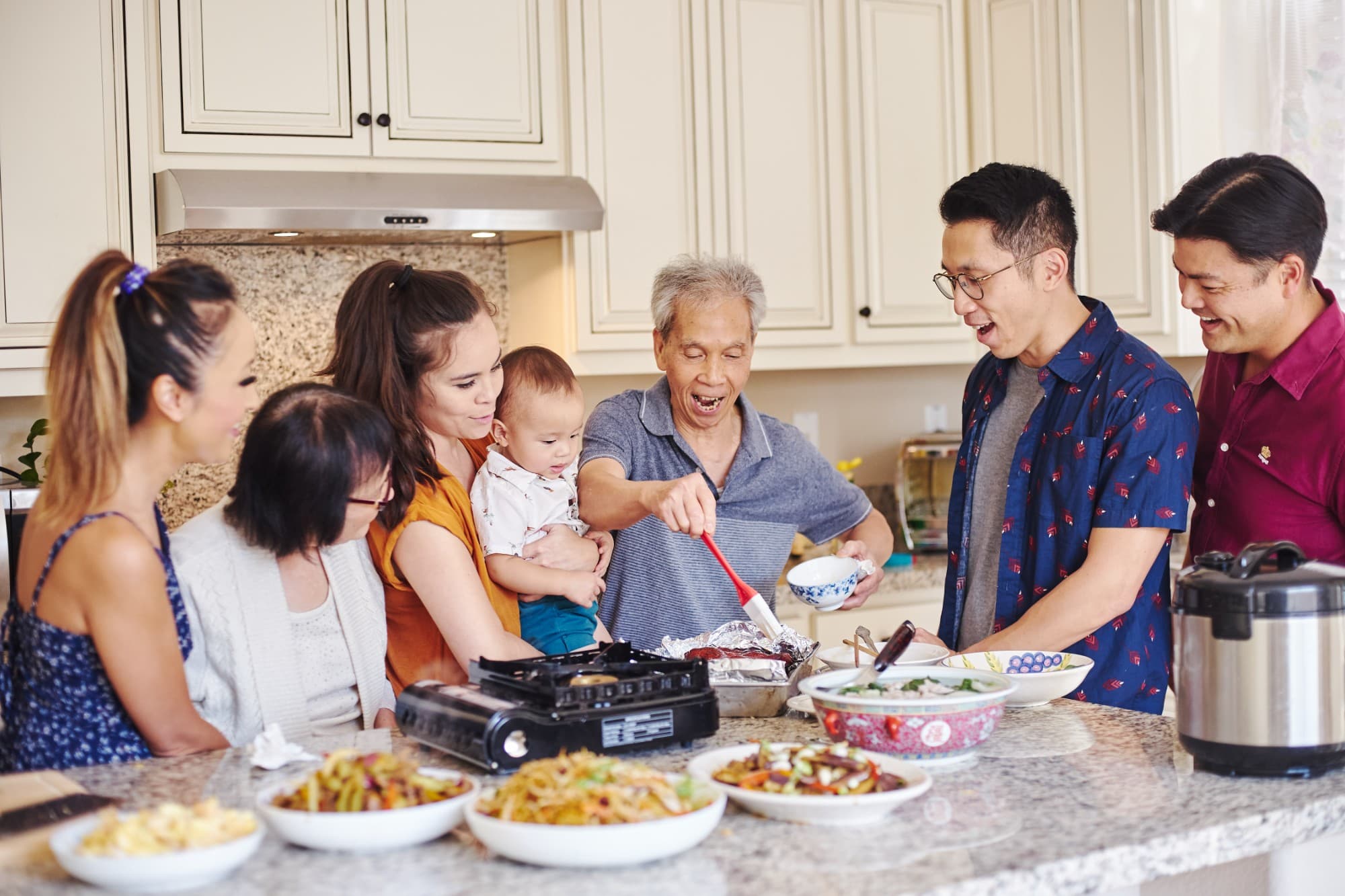
We started Made With Lau to celebrate Cantonese culture and honor the legacy of our wonderful parents, Jenny and Chung Sun Lau.
Our hope is that these recipes and stories help you spread the joy, love, and nostalgia that I felt growing up.