Peking Pork Chops
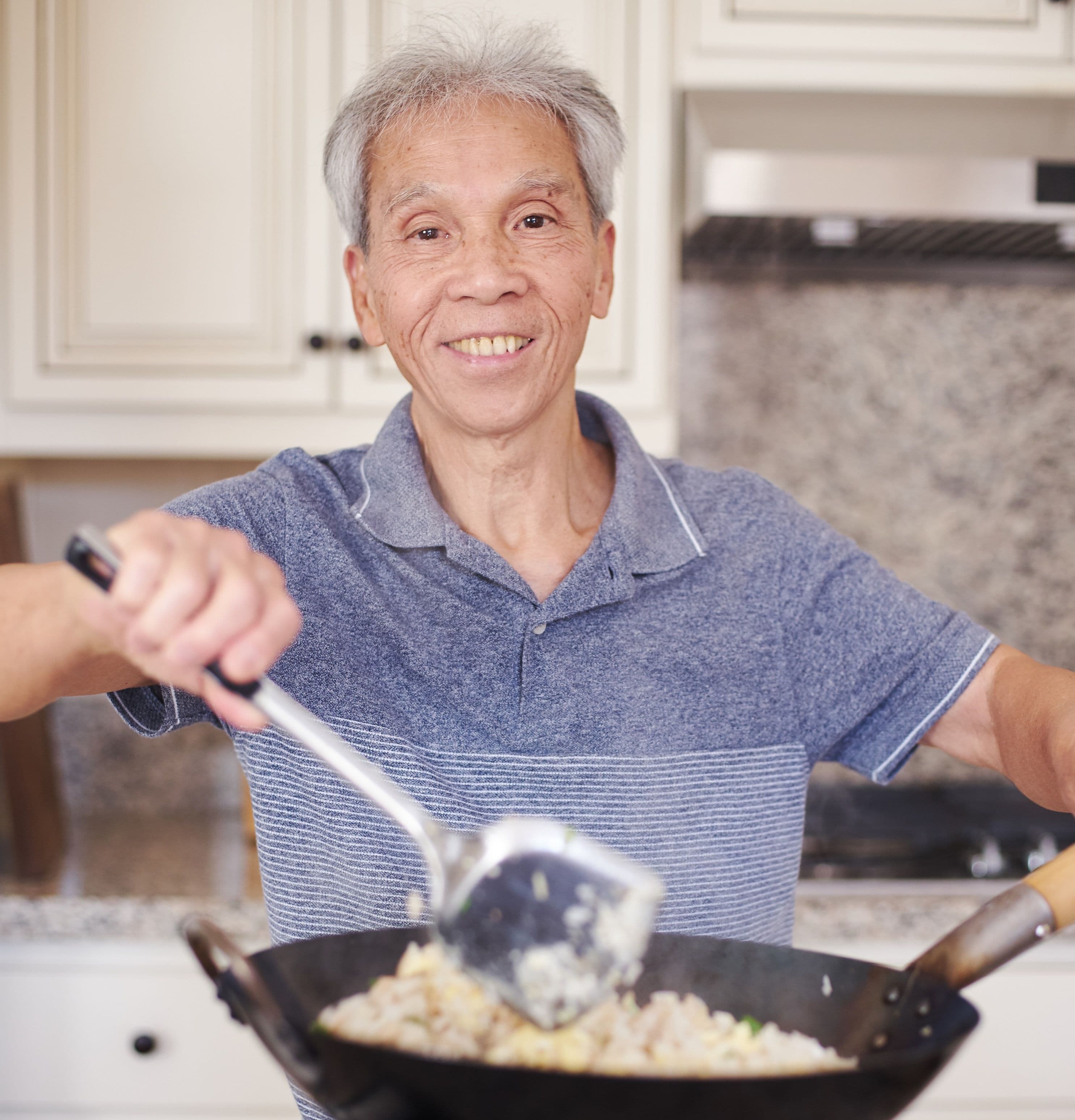
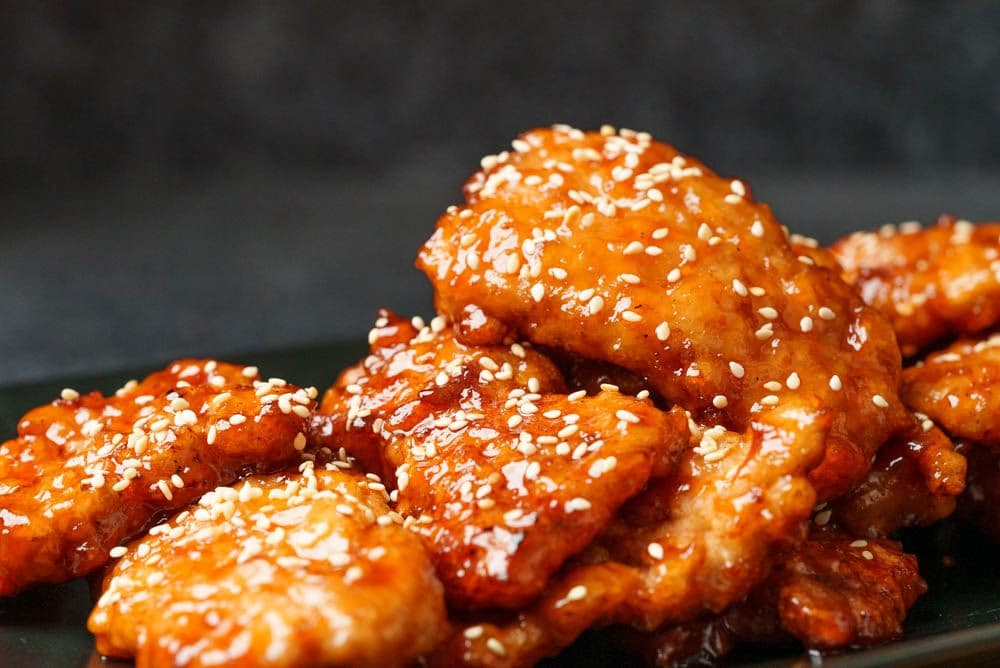
Crispy pork and a tasty sweet and sour sauce come together in this classic Chinese dish.

Cooking Summary
Ingredients: (detailed list)
- Main Ingredients: pork loin, oil, sugar, sesame seed
- Marinade Ingredients: cornstarch, oyster sauce, cooking wine, water, white pepper, salt
- Batter Ingredients: flour, cornstarch, baking powder, salt, water, oil
- Sauce Ingredients: Chinese red vinegar, rice vinegar, ketchup, hoisin sauce, sugar, water
- Slurry Ingredients: potato starch, water
Jump To Section
Top 3 Mistakes
- Skipping the second fry:
Keep the two frying stages separate as the recipe directs. The final fry is part of building the crisp exterior, so skipping it changes the texture even if the food is cooked.
- Slicing meat with the grain:
Cut across the visible muscle fibers rather than along them. Following the recipe’s slicing direction makes the pieces easier to chew and helps keep the finished meat tender.
- Crowding everything at once:
Cook in manageable batches rather than adding everything at once. Follow the recipe’s batch sizes so you can control the timing and keep the pieces from sticking together.
Overview
Peking Pork Chops (京都肉排) are always a hit. When done right, this classic Chinese dish contains a multitude of flavor and texture. There's the crispy crust, tender pork and zesty sweet and sour sauce. The key to getting perfectly crunchy, yet juicy pork is all in the preparation and frying.
On Peking pork chops
Like a lot of dishes, the name is this one has a story behind it. Its Chinese name translates to "Capital City Pork Chops." At the time of the dish's conception, the capital city of China was Nanjing, but by the time it became popular and required an English name, that had changed. The capital became Beijing, or Peking as it was then called. Over the years, chefs and home cooks have adapted the Peking-style pork chops to suit their tastes and situation, so ingredients like ketchup eventually made its way into recipes.
Thank you, Kikkoman!
This recipe is brought to you in part by Kikkoman. My dad has been using Kikkoman flavors throughout his 50-year career as a chef, and it's a privilege to get to partner with them on such an iconic recipe, Soy Sauce Chicken!
- Kikkoman products are a major flavor enhancer and bring out the “umami” taste, and helps balance and round out flavors
- Kikkoman® Less Sodium Soy Sauce is perfect for home cooks who are looking to cut down on their sodium levels, without sacrificing flavor
- Kikkoman offers a wide range of Gluten-Free Asian sauces, including Gluten-Free Oyster Sauce and Gluten-Free Hoisin Sauce
- The KikkomanUSA.com Chinese site offers easy Asian recipes that home cooks can enjoy any night of the week
You can learn more about Kikkoman and follow them on social media here:
- Website: https://www.KikkomanUSA.com
- Facebook: https://www.facebook.com/KikkomanChineseUSA (Kikkoman 萬字在美)
- Instagram: https://www.instagram.com/kikkomanusa_chinese/ (Kikkoman 萬字在美)
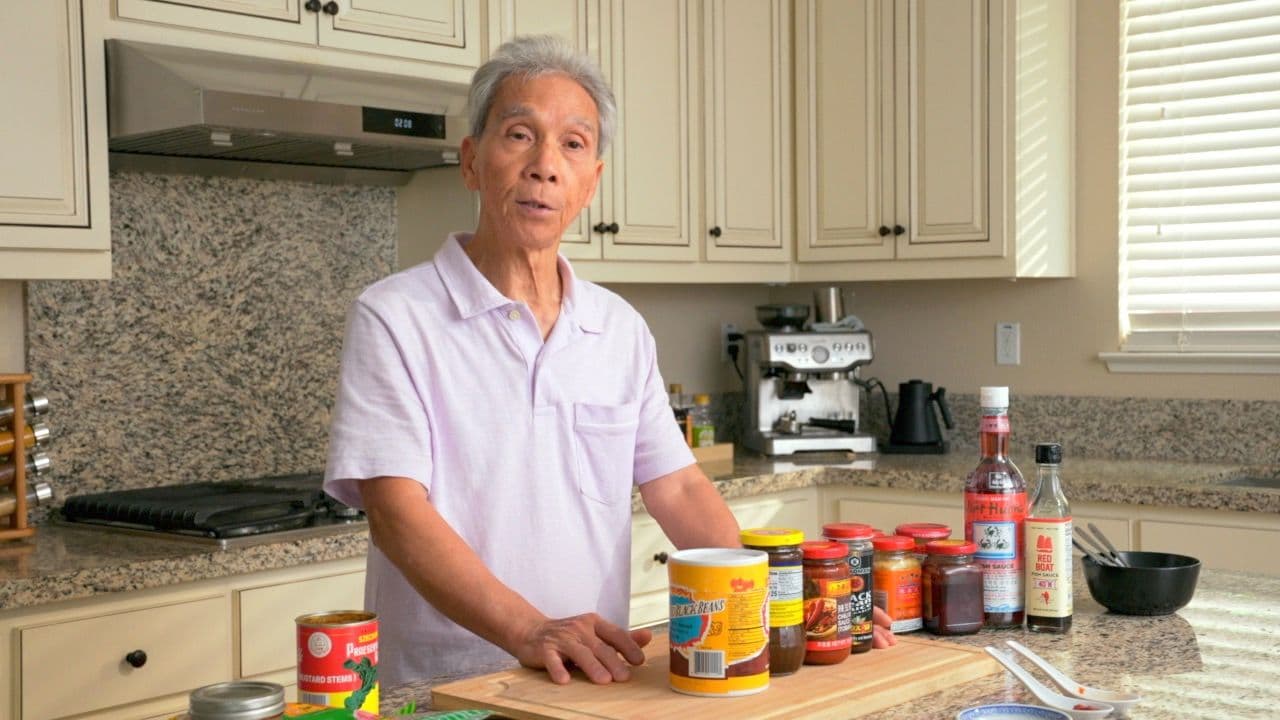
Ingredients
Why this recipe
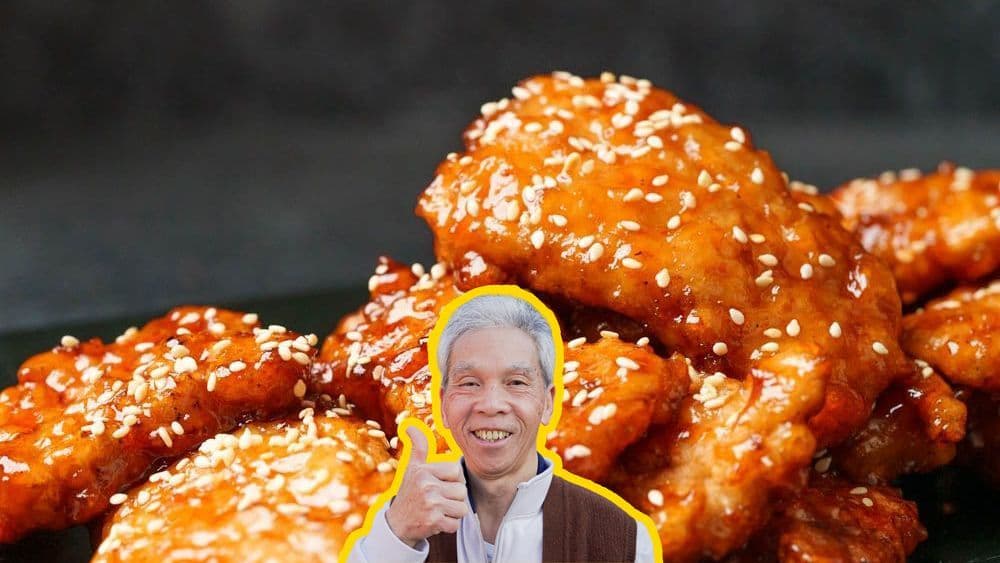
Most peking pork chops recipes online are tested only a handful of times. My dad used to make this dish multiple times a day, every day, for 60+ years and can make this in his sleep.
I know you'll love it as much as our community does! This recipe has over 114.7K views, 2.8K likes on YouTube.
How to make Peking Pork Chops
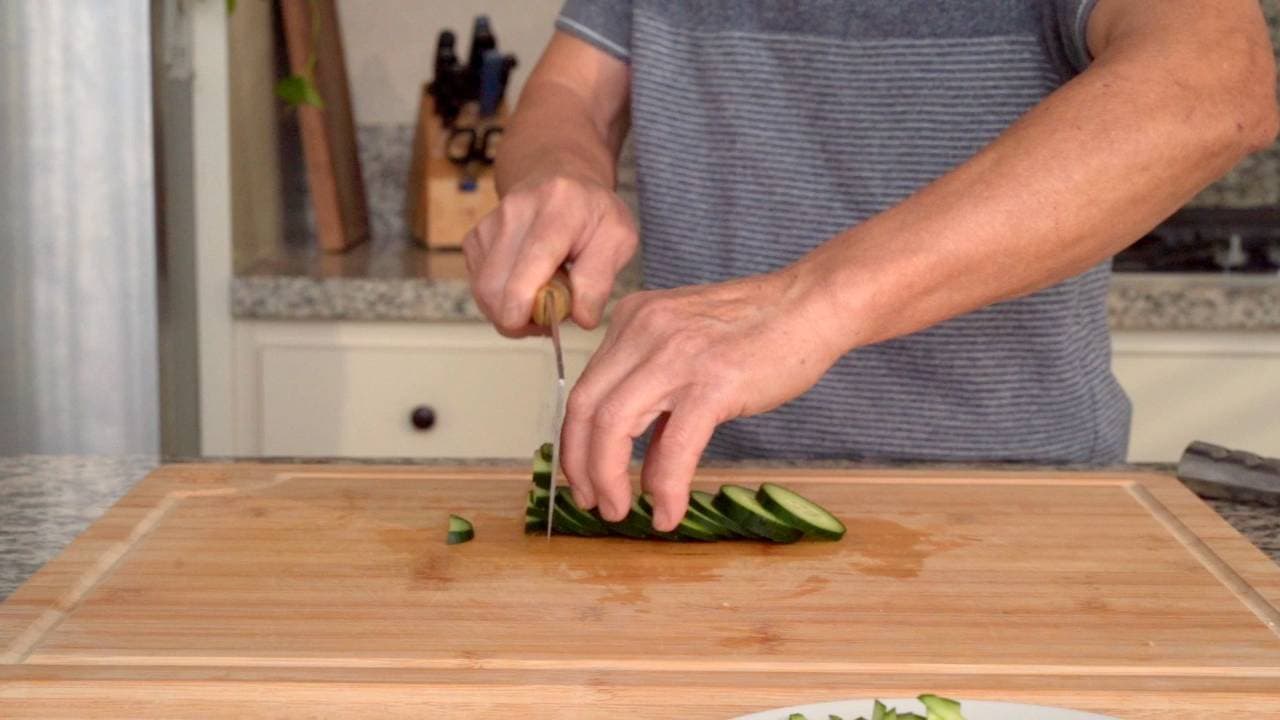
Cut the pork loin (14 oz) into 1/2-thick slices going against the grain.
Tenderize the pork slices by pounding both sides with the back edge of the cleaver, also against the grain.
In a bowl, add the cornstarch (2 tablespoon), oyster sauce (1 tablespoon), cooking wine (1 tablespoon), water (2 tablespoon), white pepper (0.25 teaspoon) and salt (0.50 teaspoon). Mix to thoroughly combine.
Add pork to marinade and mix it into the meat by hand, kneading to fully incorporate.
In a bowl, combine the flour (6 tablespoon), cornstarch (2 tablespoon), baking powder (1 teaspoon), and salt (0.50 teaspoon) to a bowl.
Add the water (11 tablespoon) a bit at a time while mixing until you reach the desired consistency. Start with 5 tablespoons and add an additional 2 each time, stirring clockwise with a spoon until no lumps remain.
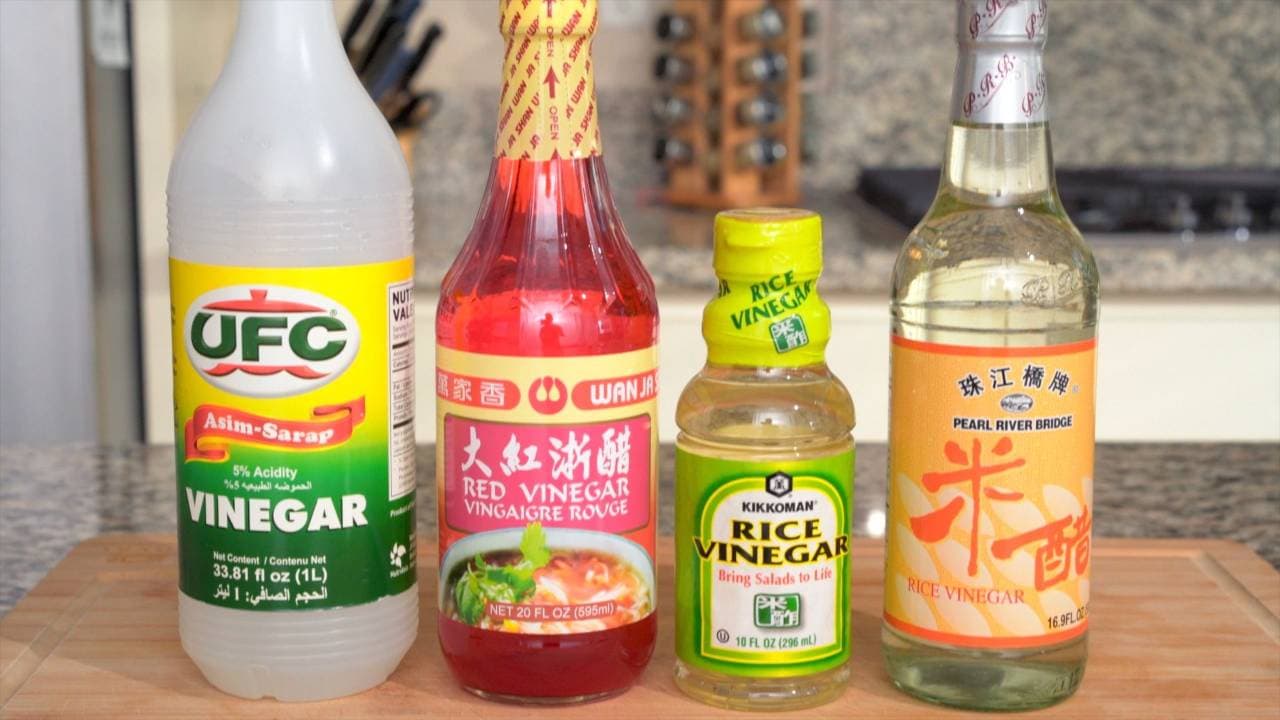
In a small bowl, add the Chinese red vinegar (5 tablespoon), rice vinegar (1 tablespoon), ketchup (4 tablespoon), hoisin sauce (1 tablespoon), sugar (3.5 tablespoon) and water (2 tablespoon). Mix to thoroughly combine.
Taste test and adjust sauce if needed.
In a separate bowl, prep the slurry. Combine the potato starch (1 teaspoon) and water (1 tablespoon) and mix to thoroughly combine.
Add the oil (1 tablespoon) to the batter and mix it in thoroughly.
Add the batter to the pork and mix to coat, making sure it's not too thick (you may not need to use all of the batter), as you heat a wok on high.
Once the wok begins to smoke, add the oil (10 oz) and bring it to between 330°F and 350°F for the first fry.
Add each piece of pork one by one to the wok, making sure not to overcrowd it (do this in batches if necessary) and fry for roughly 1.5 to 2 minutes.
Remove the pork with a spider strainer and set aside, straining out any burnt bits in the oil. Repeat with the remaining pork, making sure that the temperature of the oil is back between 330°F and 350°F.
Increase the heat of the oil to 370°F for the second fry.
Add the pork (again in batches if necessary) and fry for roughly 20 to 30 seconds.
Remove the pork and set aside to drain.
Pour the out oil into a bowl (for later reuse if desired).
Wipe out any leftover fried residue from the wok.
Add the sauce to the clean wok.
Heat to medium, stirring the sauce as it comes to a boil. Simmer for 1 to 2 minutes, lower the heat and add in the slurry a bit at a time while stirring (again, you may not need to use all of it).
Taste and adjust seasoning if necessary. Daddy Lau added more sugar (1 teaspoon). Stir to mix in for 20 to 30 seconds.
Turn the heat off and add the pork, mixing until each piece is completely coated in the sauce.
Add the finishing oil (1 tablespoon) and mix it in for glossiness.
Plate the pork and sprinkle on sesame seeds (1 teaspoon) as a garnish.
Frequently Asked Questions
What is double frying?
Like General Tso's Chicken, Sweet and Sour Pork and many other dishes, Peking Pork Chops calls for double frying. It's a popular technique that's used to get the food crispy and beautifully golden brown. As its name suggests, the frying is done twice, with the second time at a higher temperature. This helps expel moisture to maximize crunchiness.
Why do you add oil to the frying batter?
Adding oil to the frying batter right before you mix it into the pork makes the crust lighter and crispier.
Pairs well with
View all →
Made with love ❤️
We started Made With Lau to celebrate Cantonese culture and honor the legacy of our wonderful parents, Jenny and Chung Sun Lau.
Our hope is that these recipes and stories help you spread the joy, love, and nostalgia that I felt growing up.