Lobster Yee Mein
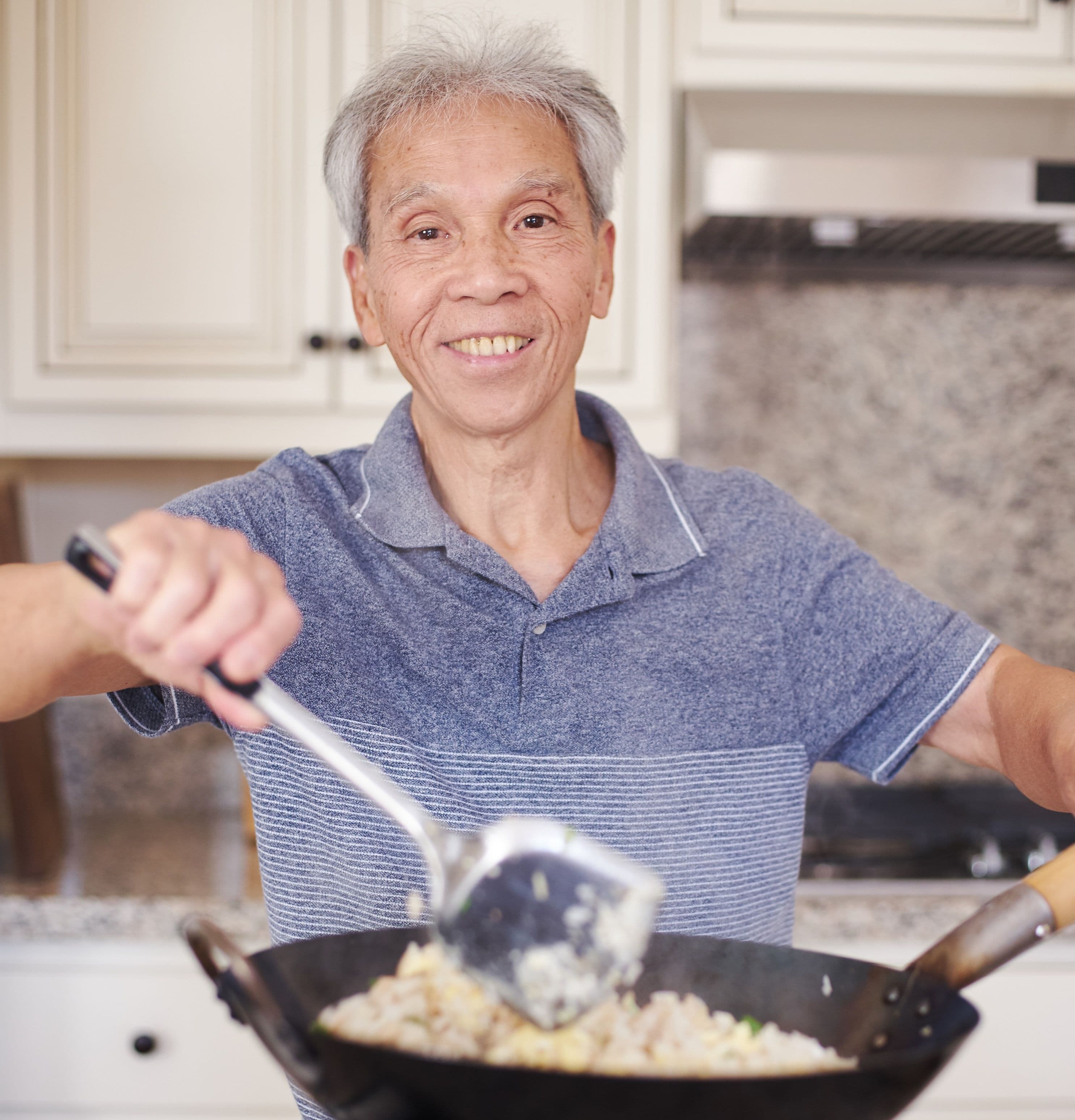
Learn how to make this epic Chinese banquet favorite, right at home!

Cooking Summary
Ingredients: (detailed list)
- Main Ingredients: whole lobster, yee mein, ginger, green onion, garlic, cornstarch
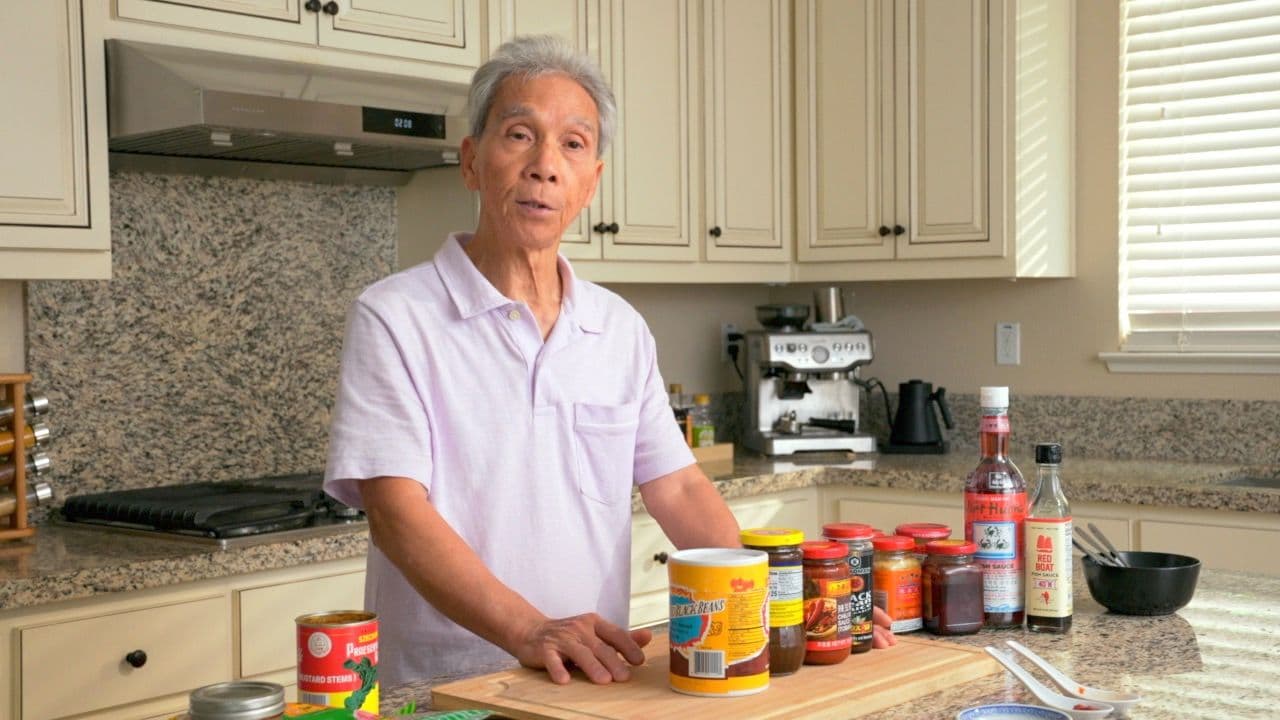
- Sauce Ingredients: Kikkoman® Oyster Sauce, Kikkoman® Soy Sauce, sugar, salt, white pepper, cooking wine
- Extra Ingredients: oil, cooking wine, boiling water, Kikkoman® Sesame Oil, cornstarch, water
Jump To Section
Top 3 Mistakes
- Overfrying the lobster first:
Keep the lobster's initial frying stage hot and brief, as directed. It will cook again with the noodles, so do not treat the first fry as a long, complete cooking process.
- Replacing yee mein casually:
Use yee mein if you can find it for this dish. Its spongy texture absorbs the lobster sauce differently from ordinary noodles, so a substitution changes a central part of the result.
- Crowding everything at once:
Cook in manageable batches rather than adding everything at once. Follow the recipe’s batch sizes so you can control the timing and keep the pieces from sticking together.
Overview
Whenever you see a table that's been graced with a dish with lobster on it, you know that whoever is at the table is celebrating something at that moment. Lobster Yee Mein or 龍蝦伊麵 is a celebratory dish that you can find at wedding dinners, banquets, and casual dining. Its auspicious symbolism through the use of lobsters and long noodles make for a very special meal item.
The Lobster's Legacy
Lobsters are known as luhng ha (龍蝦) in Cantonese, which directly translates to "dragon prawn". As you might know, dragons are extremely auspicious animals in Chinese tradition, one of the 12 animals in the Chinese zodiac and symbols of power, luck, and strength. Paired with the tidings of a long life with our noodles, you'll often find lobster yi mein served at banquets and weddings.
Interestingly enough, at times throughout American history, lobsters were seen as a "poor-man's" food, fed to prisoners and servants. Nowadays, lobsters are a hot commodity in China. Since they're not native to the South China Sea, China literally flies millions of lobsters over from Maine, other parts of the US, and Canada. In restaurants in China, a red dragon could cost more than $100. Luckily for us, we get to make this dish at home for much, much less money.
Thank you, Kikkoman!
This recipe is brought to you in part by Kikkoman. My dad has been using Kikkoman flavors throughout his 50-year career as a chef, and it's a privilege to get to partner with them on such an iconic recipe, Lobster Yee Mein!
- Kikkoman products are a major flavor enhancer and bring out the “umami” taste, and helps balance and round out flavors
- Kikkoman® Less Sodium Soy Sauce is perfect for home cooks who are looking to cut down on their sodium levels, without sacrificing flavor.
- Kikkoman offers wide range of Gluten-Free Asian sauces, including Gluten-Free Oyster Sauce and Gluten-Free Hoisin Sauce
- The KikkomanUSA.com Chinese site offers easy Asian recipes that home cooks can enjoy any night of the week
You can learn more about Kikkoman and follow them on social media here:
- Website: https://www.KikkomanUSA.com
- Facebook: https://www.facebook.com/KikkomanChineseUSA (Kikkoman 萬字在美)
- Instagram: https://www.instagram.com/kikkomanusa_chinese/ (Kikkoman 萬字在美)
Ingredients
Why this recipe
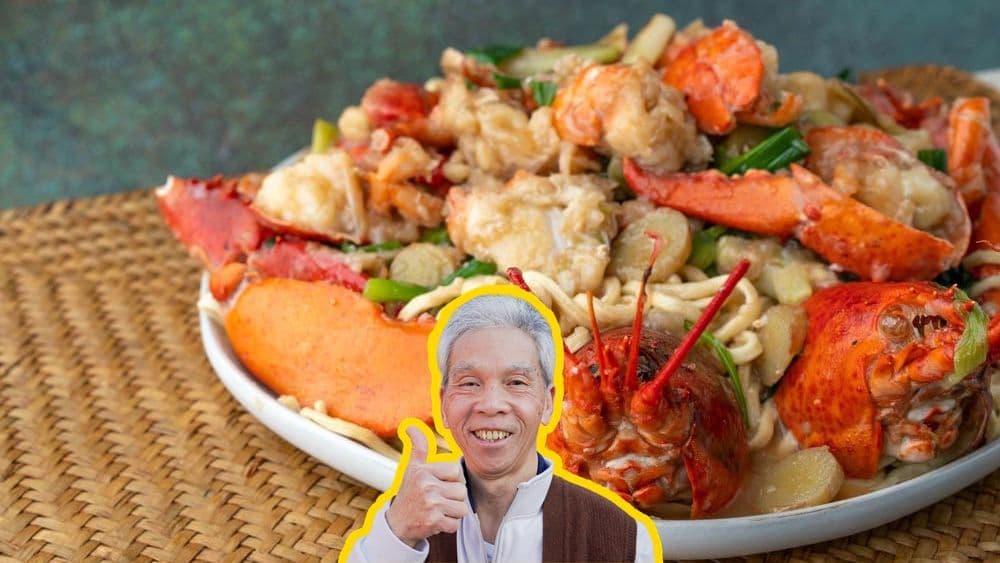
Most lobster yee mein recipes online are tested only a handful of times. My dad used to make this dish multiple times a day, every day, for 60+ years and can make this in his sleep.
I know you'll love it as much as our community does! This recipe has over 593K views, 9.3K likes on YouTube.
What noodles should you use?
While there are countless types of Cantonese noodles, including chow mein and lo mein, this dish is traditionally made with yee mein (ji min), a noodle made from wheat flour and egg, which is then deep-fried. Because baking soda is also used in the making of the dough, the resulting texture of the noodles is uniquely chewy and spongy, perfect for soaking up the delicious sauce of this dish.
Depending on the desired textures that you want, you can use chow mein noodles but my parents think that yee mein is the best option for this dish.
Both noodles are types of lo mein noodles. However, yee mein is chewier, so they'll keep their bite even after going through a long cooking process. This is because they've been fried before being packaged and sold.
This frying process prevents yee mein noodles from bloating and softening easily. Chow mein bloats easily because it is not fried. It's either steamed or bought fresh.
How to make Lobster Yee Mein
In a wok over the highest heat setting, bring water to a boil. Place yee mein noodles (1 portion) and submerge. This will help take some of the oil off the noodles since these noodles have been fried before being packaged.
Boil for two minutes. And repeat for the second portion of noodles (1 portion). Don't overboil them as the noodles will become mushy and the texter will no longer be good. Set aside on the serving plate.
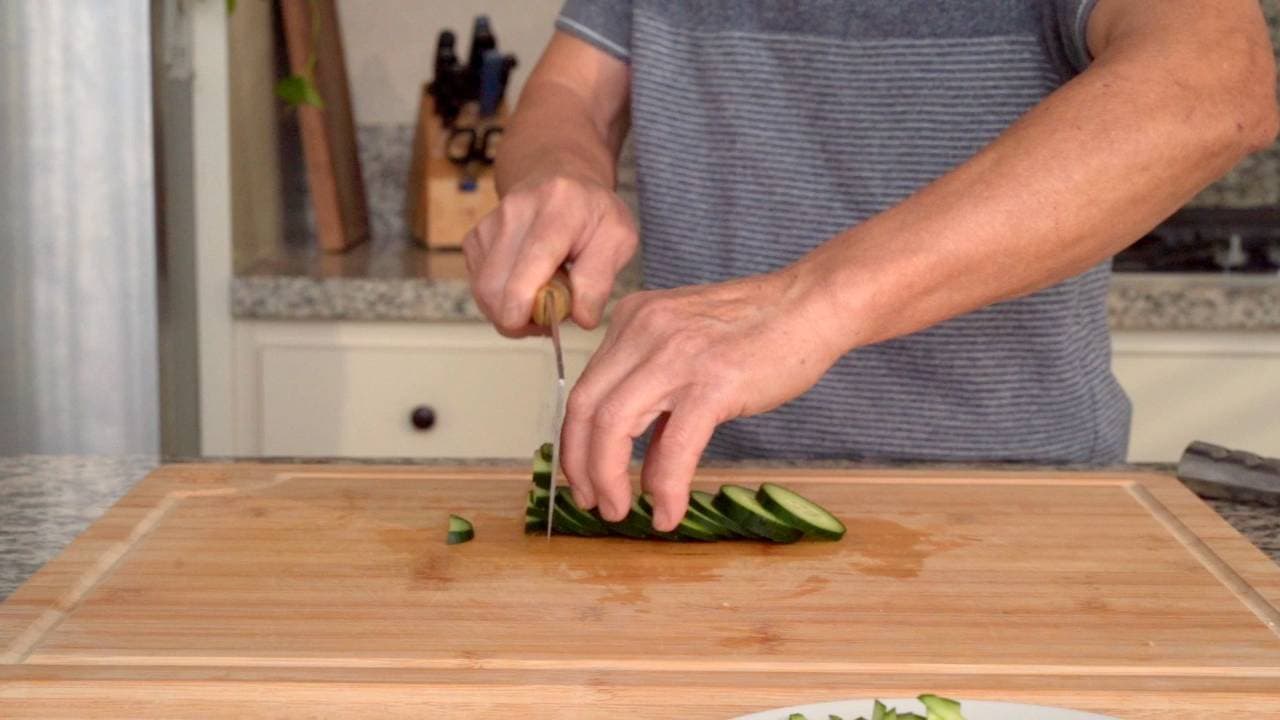
Wash, clean, and thinly slice ginger (2 oz).
Wash and separate the green parts from the white parts of the green onions (10 stalk). Cut the green and white parts into an inch or 1.5 inch long pieces. Give the white parts a good smashing with the side of the knife.
This allows the green onions' flavor to be easily released during the cooking process.
Smash the garlic cloves, remove the skin of the garlic cloves (4 clove). Halve each garlic clove.
Set all aside for the cooking process.
One of the most important steps in preparing the lobster is to release its urine. To do that, take a chopstick and puncture the underside of the lobster's tail where there is an opening. The opening is closer to the end of the tail.
Snip off the antennas to a shorter length for easier handling. Separate the claws from the body. Trim the lobster's side claws and swimmerets (the small swim tails located under the tail).
Separate the head from the body. Here, you can scoop out the brains and set them aside to steam or fry with eggs.
Cut down the middle of the back of the lobster with scissors to make a good guide for chopping later. Chop off the tail's end. Using the line that was cut earlier, align the cleaver and chop down hard to split the two sides cleanly. Scoop out the feces and pull out the gills.
Once the lobster has been cleaned out, chop the legs off on both sides, then move on to cut the body into 2 inch wide pieces. Sizes of the pieces can vary and we suggest that you follow the ridges of the shell for easier cutting.
For the front claws, first cut them at the joints at the base of the claw. Smack the smaller pieces to crack the shell. Chop right down the middle lengthwise down the claw between the thumb and the rest of the claw.
Once all the pieces have been cut, set aside to drain them or leave them out on a paper towel to dry out slightly. Once drier, start lightly dusting them with cornstarch. (2 tbsp) Make sure to coat only the surface of the meat. The shell doesn't need any cornstarch.
Coating the lobster in cornstarch will help lock in the lobster's juices when we cook it later.
In a small bowl, mix oyster sauce (1 tbsp), soy sauce (1 tbsp), sugar (1 tsp), salt (0.50 tsp), white pepper (0.33 tsp), and cooking wine (1 tbsp).
Set it aside for cooking.
Preheat a large wok over high heat for 2 minutes, add oil (4 tbsp), and let it heat up around 350–375°F or until it's rippling. This may take from 30 to 40 seconds.
Carefully add the lobster pieces to the oil by sliding in each piece from the side of the wok to avoid the oil splashing out. Make sure to fry in batches to not overcrowd the wok.
After about only 40-50 seconds, or when the shell turns bright red and the meat turns white, remove the lobster pieces with a strainer. My dad lets the excess oil drip back into the wok while he fries the next batch of lobster. Using a metal strainer is best for this step.
Pour the oil into a bowl to use for stir-frying.
Please note that there's also no need to cook for too long as we'll be stir-frying it again later
In the same wok on high heat, add in a tbsp of the oil that was taken out from frying the lobster pieces. Stir fry garlic, ginger, and green onion whites and let their flavor bloom for about 50 seconds of stir-frying.
Add lobster pieces into the wok, continue to stir-fry for 20 seconds then add cooking wine (1 tbsp) and stir to make sure everything is coated.
Add boiling water (2.5 cup), stir gently and add the sauce that was made earlier, and stir until everything is incorporated. Let the sauce cook for 40-50 seconds.
Place lid on the wok to bring everything to a boil for 30 seconds. In the meantime, create the slurry of cornstarch (2 tsp) and water (1 tbsp).
Remove lid and let it simmer uncovered for one minute. Add the slurry to thicken the sauce- mix the contents as it is being poured.
Add the green onion greens and cook for 30 seconds. Add sesame oil (1 tbsp) and an additional 1 tsp of lobster oil to give the dish a shiny appearance.
Finally, taste to adjust the flavors of the sauce to your liking. Turn the heat off, plate, and serve once it's to your taste! This is usually served on a large serving plate with pairs of lobsters as it is auspicious to say that "Good things come in pairs!". Everyone can take the amount they want in smaller individual plates.
Frequently Asked Questions
What are the best noodles to use for Lobster Yee Mein?
Any thick, chewy, eggy noodles, including chow mein and lo mein, will technically work, but yee mein is really the best option. If you're committing to this dish, we really recommend that you try your best to find it. Yee mein has a really unique sponginess and is fantastic at soaking up that lobster sauce without getting soggy.
How do you avoid overcooking lobster?
In Lobster Yee Mein, the lobster is first fried, and then stir-fried with the noodles and other ingredients. That initial frying step is hot and fast, so that the lobsters can achieve that fried aroma without overcooking.
Remember to take into account that it's going to be stir-fried later, so there's no need to fry them for too long. For the two lobsters, my dad fried the pieces for less than a minute total. Once that shell brightens up to a red color, take the lobster pieces out!
How do you distribute lobster flavor throughout the noodles?
The stir-fry step is the most important for making sure lobster flavor is well-distributed through the yee mein. It may seem like a lot of water that we add to the stir-fry, but the lobster and aromatics are all sharing their flavor with the water and coming together in that sauce.
Yee mein is especially absorbent and will take in that flavored, very lobster-y sauce, and that's why we choose that specific noodle over other types of noodles. That's how you get the lobster flavor to carry over to the noodles!
Pairs well with
View all →
Made with love ❤️
We started Made With Lau to celebrate Cantonese culture and honor the legacy of our wonderful parents, Jenny and Chung Sun Lau.
Our hope is that these recipes and stories help you spread the joy, love, and nostalgia that I felt growing up.