General Tso's Chicken
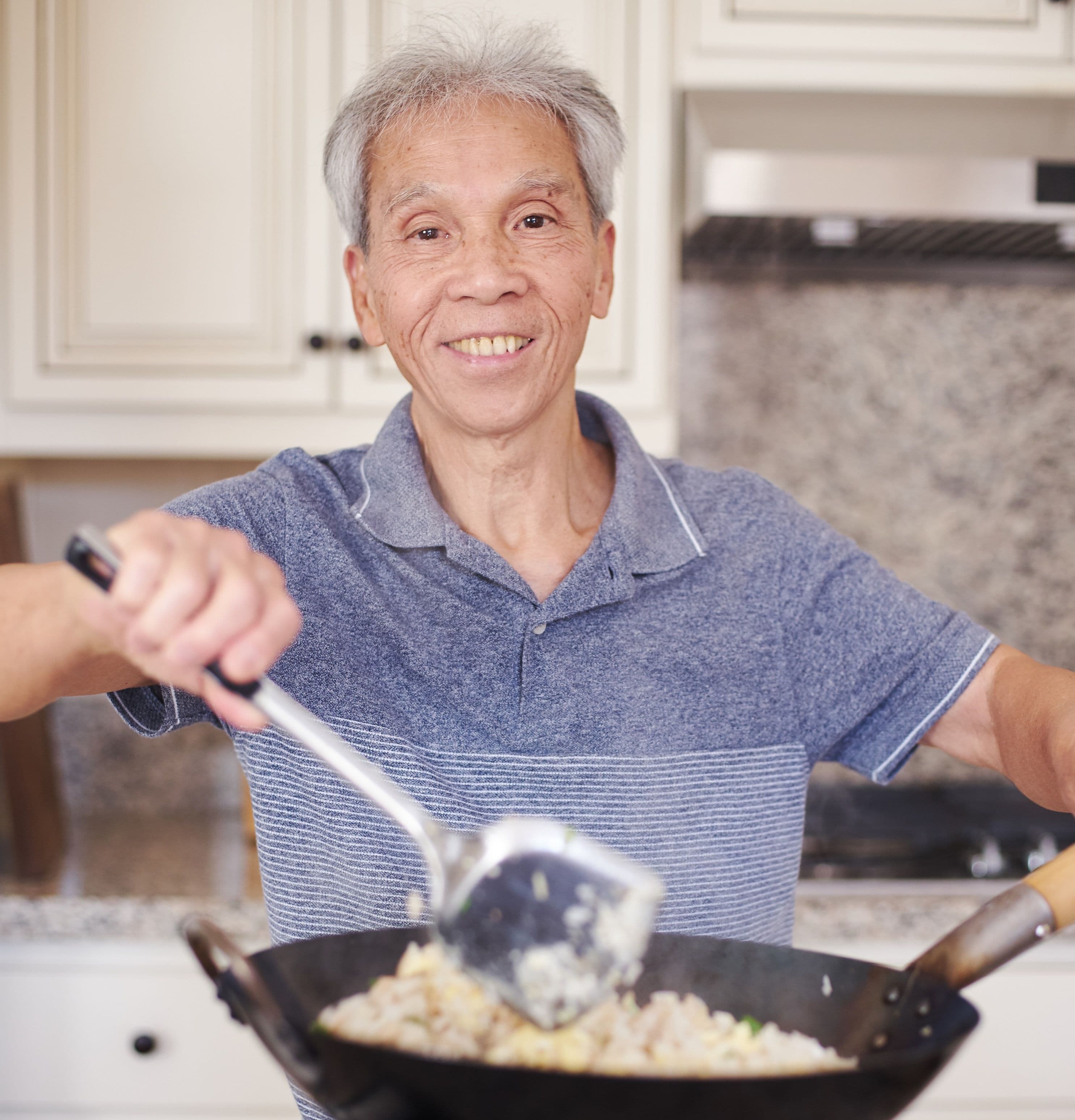
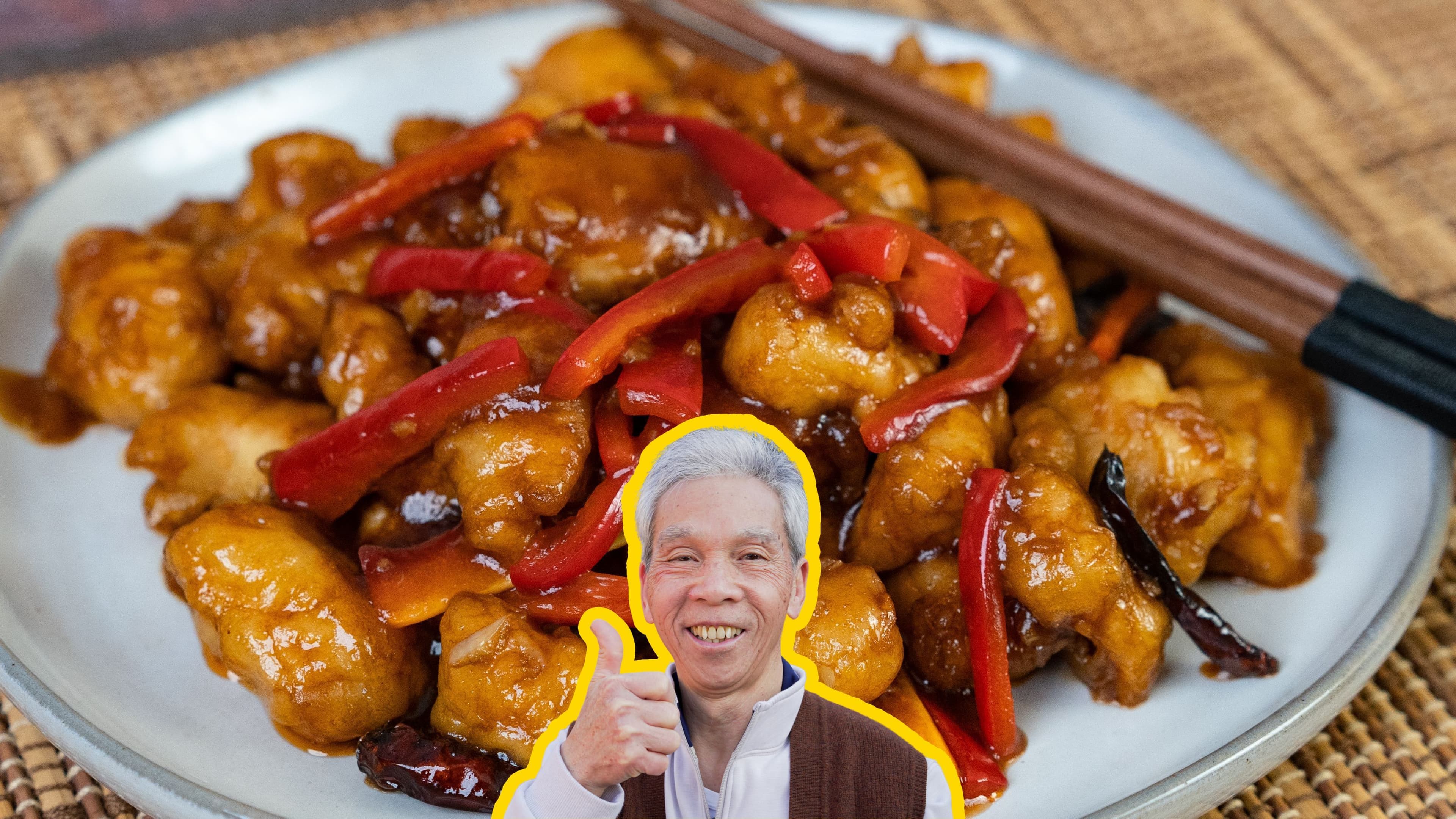
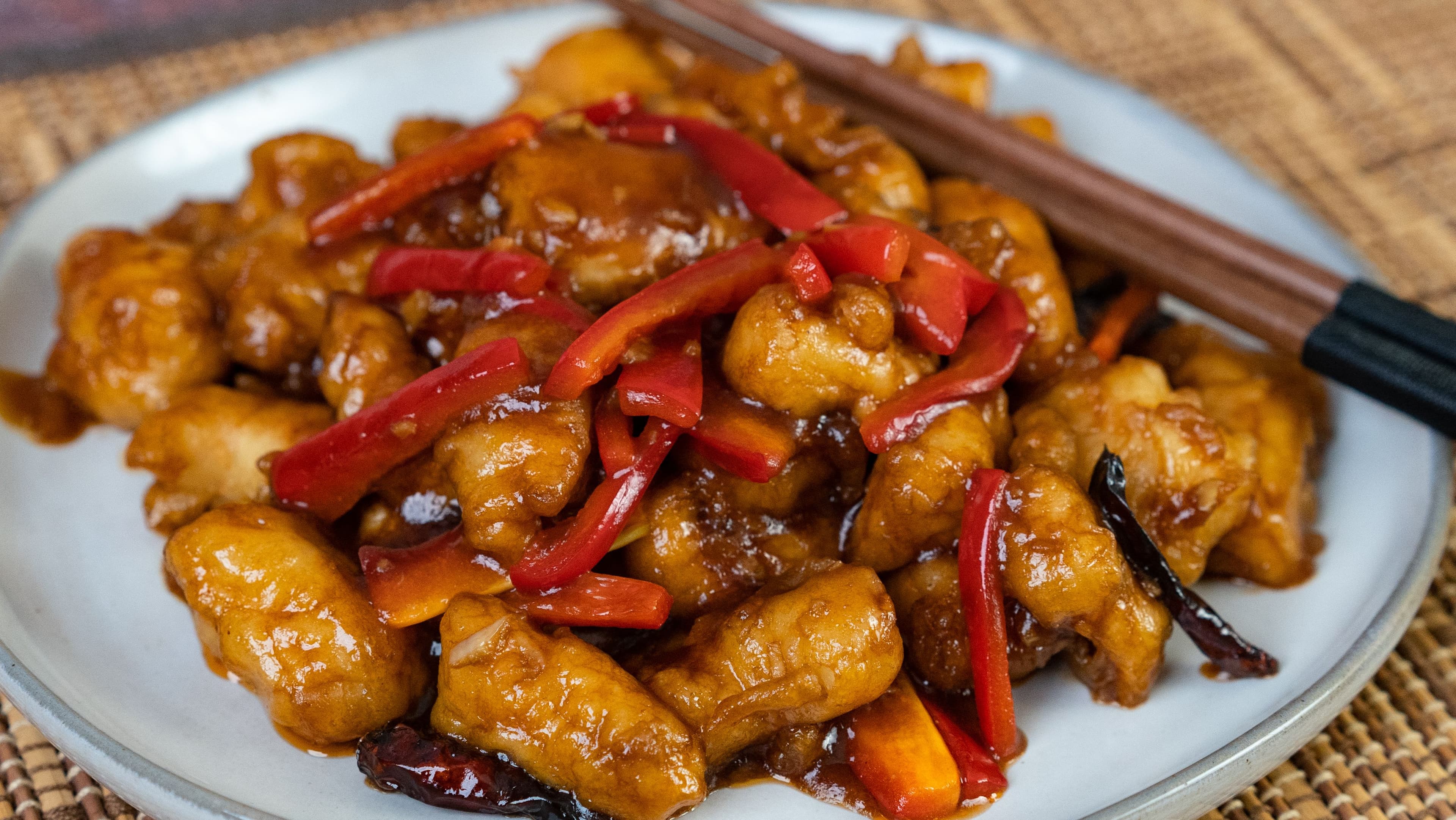
An easy restaurant recipe for this delicious Chinese American classic!

Cooking Summary
Ingredients: (detailed list)
- Main Ingredients: chicken breast, ginger, garlic, dried chili peppers, red bell pepper, corn oil
- Chicken Marinade: salt, egg, cornstarch, water
- Fried Chicken Batter: flour, cornstarch, egg, baking powder, water, olive oil
- Sauce: light soy sauce, dark soy sauce, sugar, vinegar, ketchup, white pepper, cornstarch, water, sesame oil
- Optional Garnish: broccoli, tomato
Jump To Section
Top 3 Mistakes
- Ignoring the oil temperature:
Check the oil using the recipe’s heat guidance before adding the ingredients. Oil that is too cool or too hot changes how quickly the food cooks and how evenly the surface browns.
- Skipping the second fry:
Keep the two frying stages separate as the recipe directs. The final fry is part of building the crisp exterior, so skipping it changes the texture even if the food is cooked.
- Skipping the meat marinade:
Mix the meat thoroughly with its marinade and give it the time the recipe calls for. This preparation helps the seasoning coat the pieces before the fast cooking stage begins.
Overview
As a chef who spent most of his 50 year career as a chef in America, my dad's made General Tso's Chicken thousands of times.
If you’re not familiar with General Tso’s Chicken, it’s an extremely popular menu item in Chinese American restaurants but fairly unheard of in mainland China.
The original recipe was invented by renowned chef Peng Chang Kuei in Taiwan in the 1960s, who named it General Tso’s Chicken as an homage to his Hunanese heritage and their beloved general Zuo Zongtang.
Flavor Profile
When done properly, General Tso’s Chicken is an incredibly delicious dish that’s crispy on the outside and tender on the inside.
Chef Peng’s original recipe is more in line with the intense spices, tanginess, and savory flavors of Hunanese cuisine, and in America, Chinese chefs added sugar to the recipe to appeal to a more western customer base.
This recipe is more true to the Chinese American method, with a sweeter taste profile.
Who was General Tso?
Zuo Zongtang was a beloved statesman and military leader in the Qing Dynasty. He was known to be brilliant and always victorious in battle, and was instrumental in keeping China together and keeping peasant rebellions at bay.
A Hunanese icon, his legacy is still celebrated all across Hunan Province today, inspiring Peng Chang Kuei to name a dish after him almost a century after his death.
He had a fierce love of his country, and emphasized the importance of preserving Chinese tradition and culture. (Ironically, one of the most popular Chinese American dishes was named after him.)
We’ll talk about this more later, but there’s a really poignant documentary called “The Search for General Tso” that explains not only the origins of how this iconic dish became its own billion dollar industry, but the struggles of Chinese immigrants fighting to survive and thrive in America.
Ingredients
Why this recipe
Most general tso's chicken recipes online are tested only a handful of times. My dad used to make this dish multiple times a day, every day, for 60+ years and can make this in his sleep.
I know you'll love it as much as our community does! This recipe has over 2M views, 49.7K likes on YouTube.
On Oils & Smoke Points
You should generally avoid olive oil for anything that involves higher heat.
This is because olive oil has what’s called a lower smoke point, which is the temperature at which the oil stops shimmering or rippling and starts smoking.
Smoking oil isn’t always a problem and sometimes even desired for getting that perfect “Wok Hei” in your stir fry, but it’s a sign that the oil is breaking down, which can release burnt or bitter flavors or even harmful free radicals.
Here’s a chart that highlights the smoke points of a few of the most common cooking oils.
There are a few other factors that go into selecting oils like whether they’re neutral or flavored, refined or unrefined.
Most cooking oil is created by extracting and compressing seeds and nuts, and oils that are “unrefined”, “raw”, or “virgin” are usually bottled almost immediately. They generally have more nutrients but a lower smoke point and shorter shelf life. Refined oils go through more processing for a higher smoke point, longer shelf life, and a more neutral flavor.
It’s not totally true that you should avoid olive oil, since you can buy either refined or unrefined varieties. But for simplicity’s sake, for frying, you generally want to use neutral, refined oils like vegetable oil, refined olive oil, or corn oil.
Finding Asian Ingredients
Some of these ingredients are hard to find in a typical grocery store.
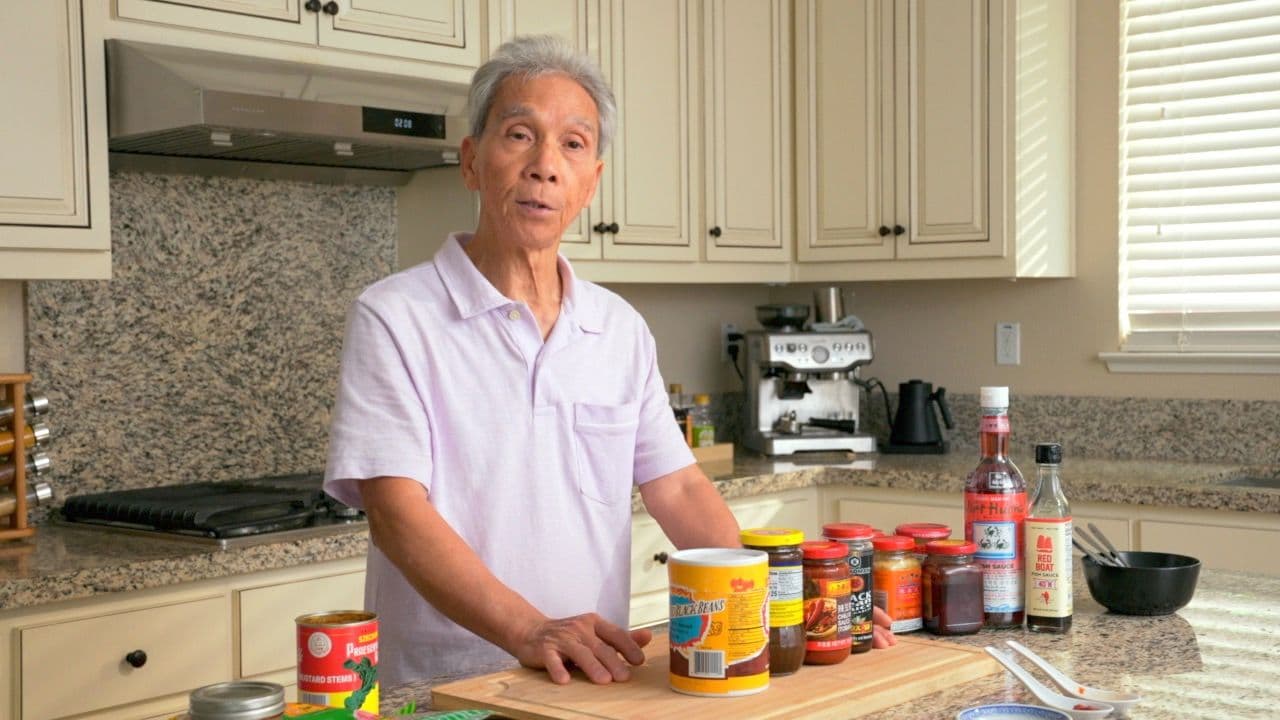
If you don't live near an Asian market, most or all of what my dad uses in this recipe can be found on Amazon:
- Kikkoman Sesame Oil - https://geni.us/kkmsesameoil
- Kikkoman Soy Sauce - https://geni.us/kkmsoysauce
- Kikkoman Tamari - https://geni.us/kkmtamari
I've also included some other Chinese kitchen essentials, used in many of my dad's other recipes.
- Michiu Rice Cooking Wine
- Lao Gan Ma Chili Oil
- Koon Chun Hoisin Sauce
- Kikkoman Oyster Sauce - https://geni.us/kkmoystersauce
- Shaoxing Cooking Wine
- Bullhead Shacha (BBQ Sauce)
- Dried Orange Peels
- Koon Chun Ground Bean Sauce
- Dried Shiitake Mushrooms (soak for 15-20 minutes in warm water before slicing)
- Dried Wood Ear Fungus (a few options, depending on what's in stock):
These links are affiliate links, which means that if you use our links to purchase these ingredients, Amazon pays my family a small amount for the sale - at no extra cost to you. If you use these links, we really appreciate the support!
Other Supplies + Tools
You'll need a good wok, which provides a ton of versatility for the classic Chinese cooking methods: steaming, stir frying, deep frying, and etc.
You may want an instant read thermometer to help you get precise with how you're deep frying. Here are two great options:
How to make General Tso's Chicken
We'll cut up our chicken breast (10 oz) (thighs are fine too) into bite-sized pieces.
Afterwards, place the chicken in a bowl along with salt (0.50 tsp), egg (beat and save half for later), cornstarch (1 tbsp), and water (0.50 tbsp).
Mix and massage for about a minute to help the chicken absorb the marinade, and set it aside while we continue preparing our dish.
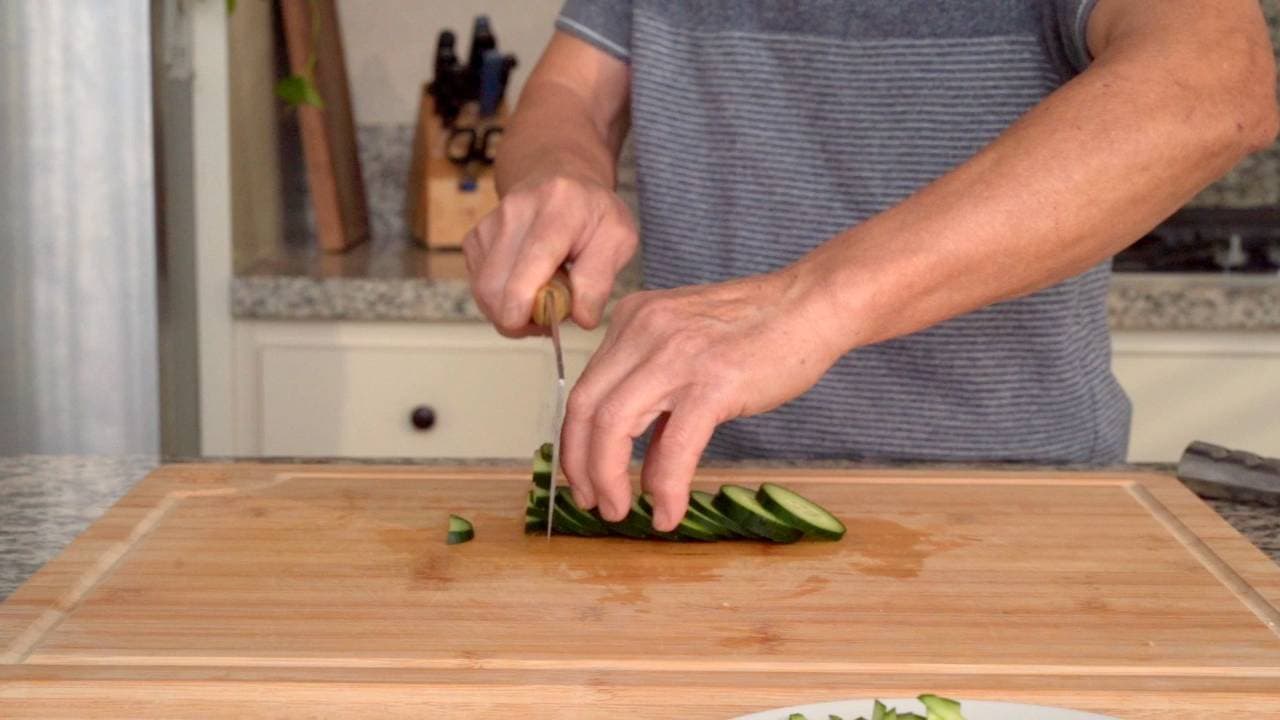
We'll chop the aromatics and the vegetables:
- garlic (2 clove) - crush with a knife and mince
- ginger - cut into slices, then strips, and mince
- red bell pepper (1 oz) - cut into strips
- broccoli (optional) - cut a few pieces of broccoli + cook with your method of choice
- tomato (optional) - cut a few wedges
A lot of Chinese American restaurants like to plate General Tso's Chicken on a bed of broccoli, so feel free to do the same.
To a different bowl, we’ll add:
- flour (3 tbsp)
- cornstarch (1 tbsp)
- the remaining half of the beaten egg
- baking powder (1 tsp)
- water (5 tbsp) - we might need to add more as we mix.
- olive oil (1 tbsp) - add last, after mixing everything else for a minute. This helps the chicken turn out more shiny and helps to prevent the batter from clumping together.
Mix the ingredients (minus the olive oil) for about a minute. Add the olive oil, and continue mixing and maybe adding 1/2 tbsp of water at a time until we get the consistency we want.
Using corn oil (or another high smoke point, neutral flavored, refined oil), fill a wok or pan up to 1.5 to 2 inches deep.
We’ll be frying our chicken twice. For the first fry, we’re looking to heat our oil to around 300°F (149°C), and then 350 - 400°F (176-204°C) for the second frying.
There are a few ways to tell if the oil is hot enough:
- Dropping some batter into the oil. It should start sizzling and float to the top immediately, but it shouldn't turn golden brown instantly.
- Dropping something with high water content (like a slice of red bell pepper) into the oil. It should start sizzling immediately.
Another easy way to monitor the temperature is to get an Instant Read Thermometer, which allows you to set a temperature probe in the oil and know exactly what temperature it’s at. Here are some of my favorite options.
- OXO - https://amzn.to/2ODdQvc
- iWeber - https://amzn.to/3bwaeEj
As our oil heats up, we’ll prepare our all-important sauce by mixing
- light soy sauce (2 tbsp)
- dark soy sauce (1 tsp)
- sugar (2 tbsp)
- vinegar (1 tbsp)
- ketchup (1 tbsp)
- white pepper (0.50 tsp)
Make sure to taste it and adjust if necessary :)
Mix the chicken with the batter, making sure each piece is evenly coated.
Fry #1 - cooking the chicken
~10 minutes @ 300°F (149°C)
Once the oil is hot enough, using chopsticks, GENTLY (we don't want hot oil splashing on us) transfer each piece of chicken into the oil. Going slow also helps prevent the chicken from clumping together.
Gently stir, and wait for the chicken to start turning golden brown. Then, using a spider or slotted spoon, transfer the chicken out of the oil into a bowl.
Wait for the oil to reheat.
Fry #2 - GETTING THAT CRISP
~1-2 minutes @ 350 - 400°F (176 - 204°C)
Carefully pour the chicken back into the wok. You might notice that my dad just pours everything in, but uses the ladle as a stopper to slow down the chicken to prevent splashing.
Once it's done, use the ladle to transfer the chicken out of the wok.
You'll probably want to taste the chicken at this point. (Heh heh.)
The last step is to create the sauce.
We’ll scoop some of the frying oil into a new pan. Let the pan heat up for 1 to 2 minutes until the oil is shimmering, or forming ripples.
Then we’ll cook...
- Our dried chili peppers (4 piece) for about 10-15 seconds.
- Our minced garlic and ginger for 20-30 seconds to release the aromas and flavors.
- Next, we’ll pour our sauce mix from earlier and stir around for another 20-30 seconds.
- Then, we’ll thicken the sauce with a cornstarch slurry made of cornstarch (1 tsp) and water (2 tbsp). Stir for 20-30 seconds.
- Add the bell peppers and sesame oil (1 tsp), and stir and cook for another 30 seconds.
- You can adjust the thickness of the sauce to your liking by adding either more cornstarch (thicker) or more water (thinner).
Add and stir the chicken around to evenly coat it in the sauce.
Transfer the chicken out of the pan onto a plate, and garnish with any of the optional vegetables you might have prepared.
You should be eating this ASAP to enjoy the chicken at its peak crunchy, tenderness.
As I mentioned earlier, a common way to plate this is on a bed of (cooked) broccoli, so you can try that if you like :) This also goes really well with rice!
Frequently Asked Questions
What's in General Tso's Chicken sauce?
Our recipe for the sauce includes light and dark soy sauce, sugar, vinegar, ketchup, and white pepper. We thicken with a cornstarch slurry, and then finish with sesame oil.
Check the ingredient list above to see precise amounts. Don't forget that you can scale the recipe up and down!
How do you get the perfect crunchy texture to General Tso's chicken?
The key is in the double fry! The first fry cooks the chicken through, but the crust comes out soft, as the batter spends the first fry absorbing moisture. The second round in the oil, which is hotter, fries out that moisture, and gets that crust nice and crispy!
After the second fry, we stir-fry with the sauce. Sauce is wet. The longer the fried chicken sits in wet sauce, the more moisture it absorbs, and it'll inevitably get less crunchy over time. So our second tip is... eat fast!
Is General Tso's Chicken healthy?
It's deep fried chicken, so to be honest, there's no way to make this super healthy.
However, you can make sure that you make the healthiest version possible by choosing good quality cooking oil, meat, and produce. We don't really recommend reducing the amounts of seasoning or cooking oil, as that will really impact the flavor and the cooking process. Instead, you can opt for low-sodium soy sauce and alternative sweeteners if necessary.
Also, round out your meal with more soothing options such as homemade, veggie-packed Hot & Sour Soup, creamy Taro Cake, simple but impactful Ginger Fried Rice, and quick Stir-Fried Green Beans (bonus! the green bean recipe will help you use more of that red bell pepper).
What vegetables go in General Tso's Chicken?
Our recipe uses red bell pepper, with optional broccoli and/or tomato on the side.
As a general rule of thumb, you'll want vegetables with a good crunch, and not an overwhelming flavor that'll conflict with the chicken.
Water content is good for a refresher between bites of fried chicken, but you don't want that water weeping into the dish and making it soggy. You'll notice that we cook the bell pepper at the very end, and not for very long, to keep them from softening and releasing water. You can do that with the vegetables you've chosen (cook lightly at the end) or you can steam lightly separately and add as an unsauced garnish.
What's the difference between General Tso's Chicken and Orange Chicken?
Both chicken dishes use similar techniques in double-frying chicken that's been coated in Daddy Lau's time-tested 3-1 flour-cornstarch batter. After the double frying is complete, the chicken pieces are then stir-fried in their respective sauces, which make all the difference.
General Tso's Chicken sauce is based on soy sauces, vinegar, and ketchup, as well as the very aromatic sesame oil.
Conversely, Orange Chicken does not contain any soy sauce or sesame oil, though sesame seeds are often sprinkled on top for garnish. The fruity, floral orange juice makes this sauce pretty sweet.
Pairs well with
View all →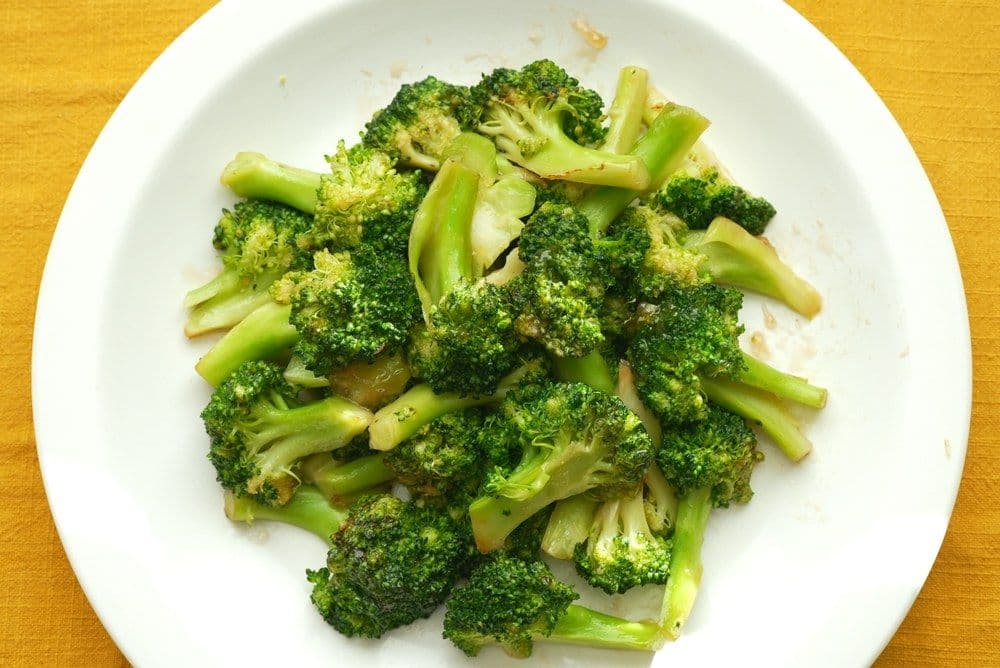
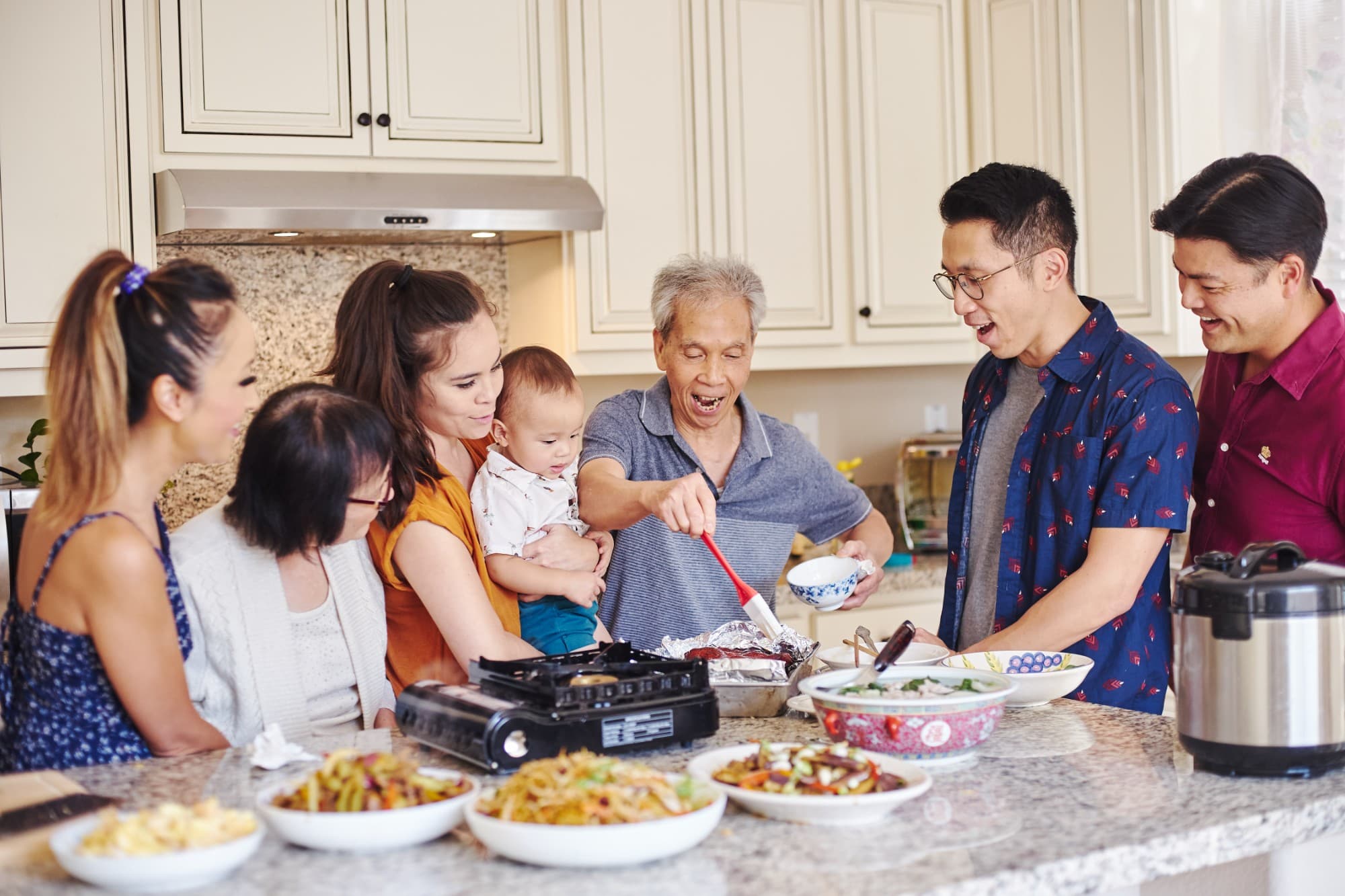
Made with love ❤️
We started Made With Lau to celebrate Cantonese culture and honor the legacy of our wonderful parents, Jenny and Chung Sun Lau.
Our hope is that these recipes and stories help you spread the joy, love, and nostalgia that I felt growing up.