Beef Brisket Soup
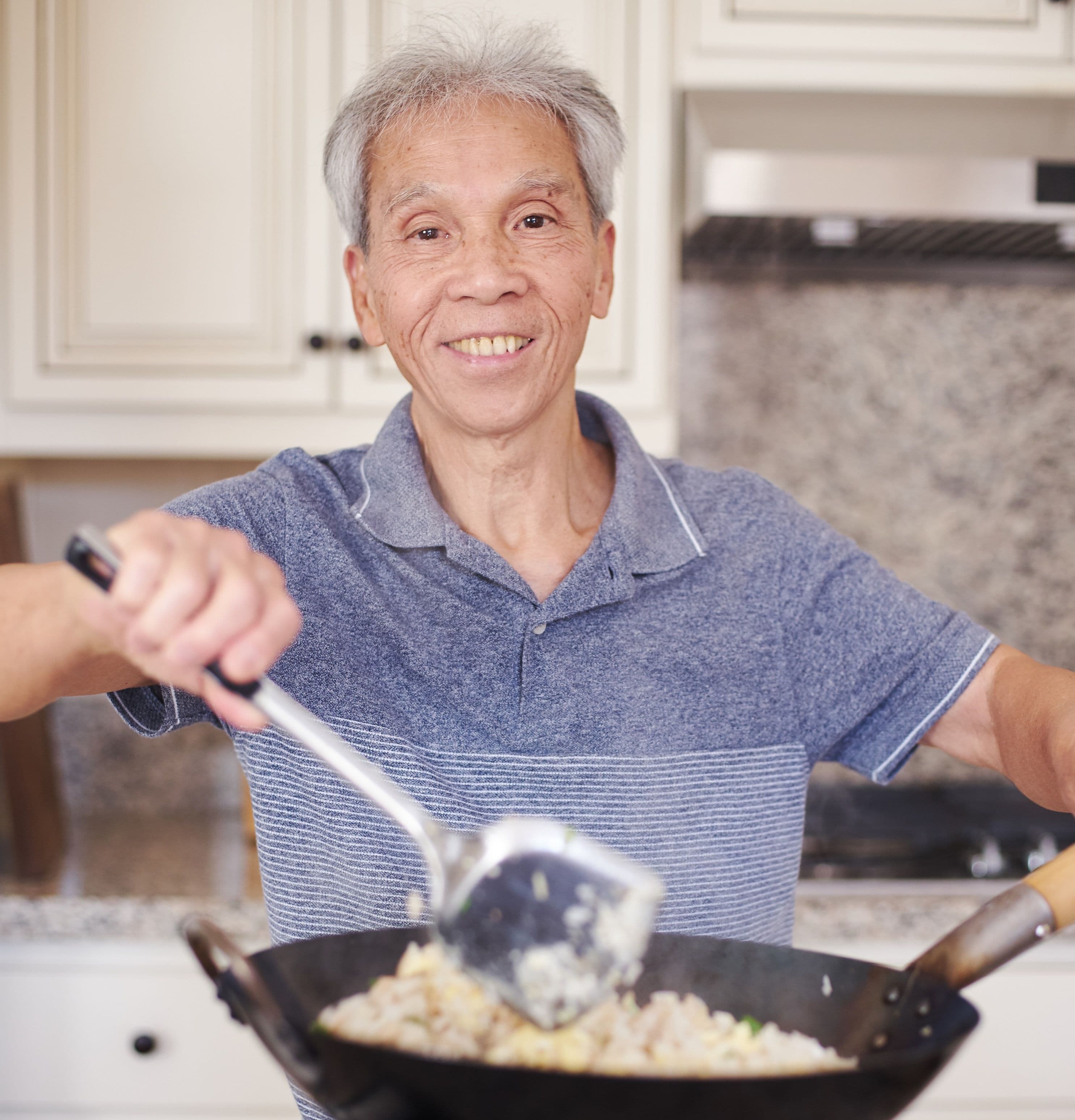
Learn how to create the ultimate broth from beef brisket and Cantonese spices!

Cooking Summary
Ingredients: (detailed list)
- Main Ingredients: Sichuan peppercorns, star anise, dried mandarin peel, dried scallops, ginger, green onion, daikon radish, beef brisket, water
- Seasoning: chicken powder, salt, white pepper, cooking wine
- Sauce: chili sauce, light soy sauce, broth
Jump To Section
Top 3 Mistakes
- Skipping the first blanch:
Follow the separate blanching and rinsing step before the main cooking stage. It removes the residue the recipe calls out instead of carrying it into the finished broth or sauce.
- Slicing meat with the grain:
Cut across the visible muscle fibers rather than along them. Following the recipe’s slicing direction makes the pieces easier to chew and helps keep the finished meat tender.
- Leaving tough membranes:
Pull away the tough membranes after blanching and rinsing the brisket. These parts do not soften easily during cooking and can leave chewy patches even when the beef itself is tender.
Overview
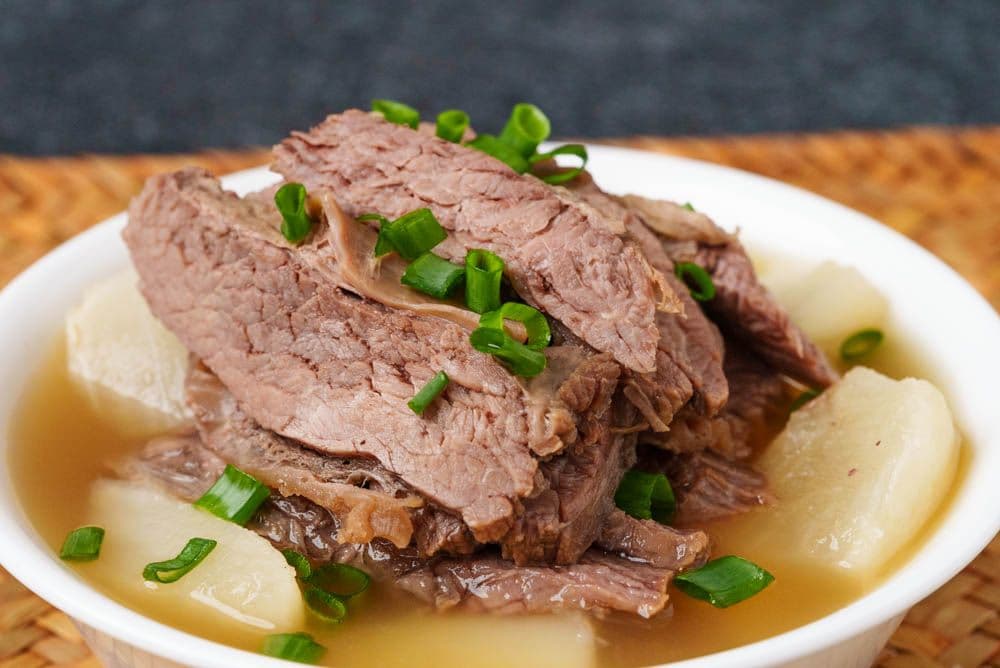
These are our secrets to a clear, flavorful broth! Beef Brisket in Clear Broth is a heartwarming pairing of the juiciest brisket and a soothing blend of spices and aromatics.
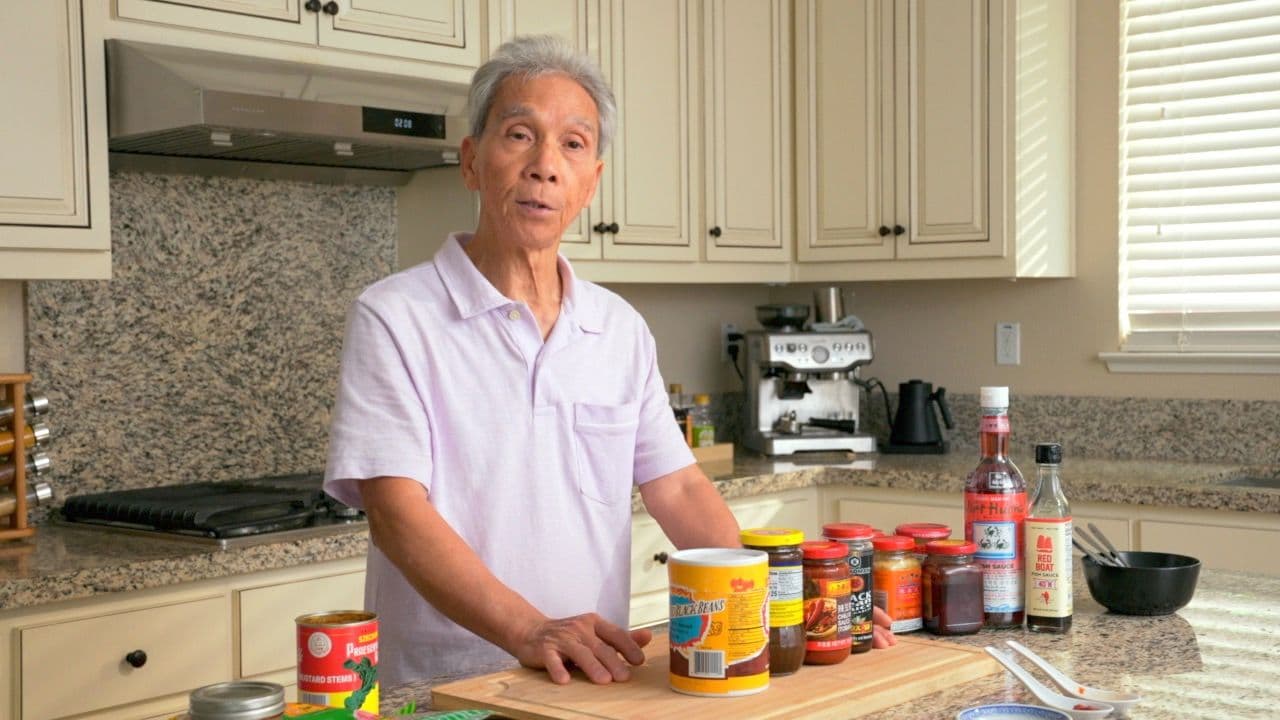
Ingredients
Why this recipe
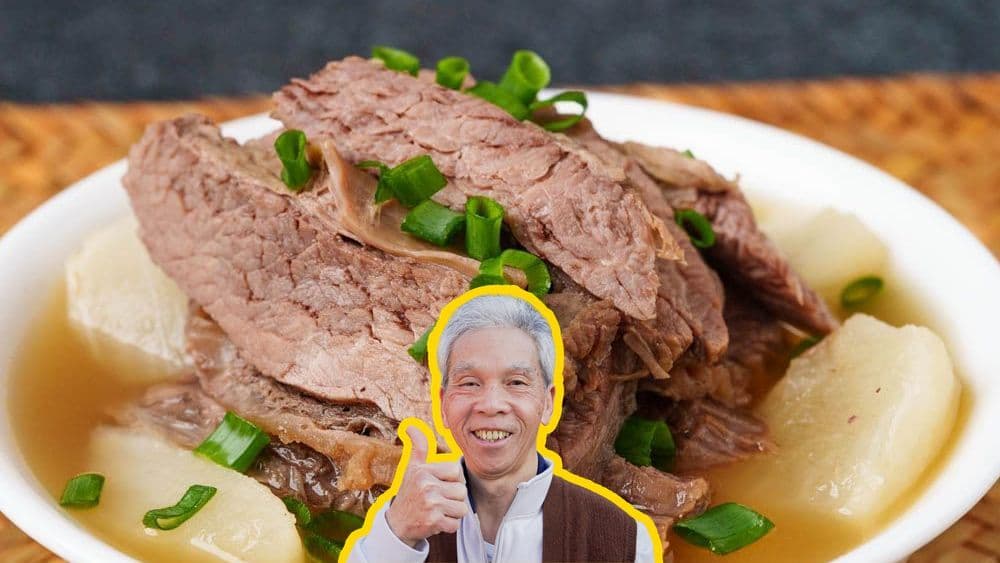
Most beef brisket soup recipes online are tested only a handful of times. My dad used to make this dish multiple times a day, every day, for 60+ years and can make this in his sleep.
I know you'll love it as much as our community does! This recipe has over 601.4K views, 9K likes on YouTube.
Radish or turnip, sweet by any name
What you need for this recipe is a long, white, crunchy root vegetable most commonly labeled daikon or Chinese radish at the store. It has a mild, sweet flavor, and can be slightly astringent when raw. You may also see it labeled as white radish, winter radish, or Oriental radish.
Turnips are completely different vegetables, but some communities will fallaciously refer to this vegetable as Chinese turnip. That’s why the popular 蘿蔔糕 lo bak gou is called turnip cake, even in our own recipe!
Bouillon or broth
You can choose to use either chicken bouillon powder, chicken broth, or omit them both altogether. Although we're relying on the brisket, dried scallop, and the spices for most of the flavor of the broth, the chicken flavor is a really helpful boost to the base.
If you use chicken bouillon powder, follow the recipe as written. If you opt for chicken broth, omit the chicken bouillon powder and decrease the amount of water by 1 cup for each can of chicken broth.
How to make Beef Brisket Soup
Place the star anise (2 piece) and Sichuan peppercorns (1 tsp) into a tea strainer/tea filter. Keeping them in a separate container makes them easier to fish out, so you won’t risk biting into a surprise peppercorn or star anise later.
Soak the dried mandarin peel (0.25 oz) in a bowl of warm water to rehydrate and soften it.
Wash the dried scallops (1 oz) to rinse off any dust and debris.
Cut the ginger (1 oz) into thin slices. We’ll use about a quarter of this amount for parboiling the beef and the rest when cooking the actual broth.
Cut off and keep only the green part of the green onions (3 stalk), then dice into small pieces. We’ll sprinkle these chopped green onions on as garnish at the very end.
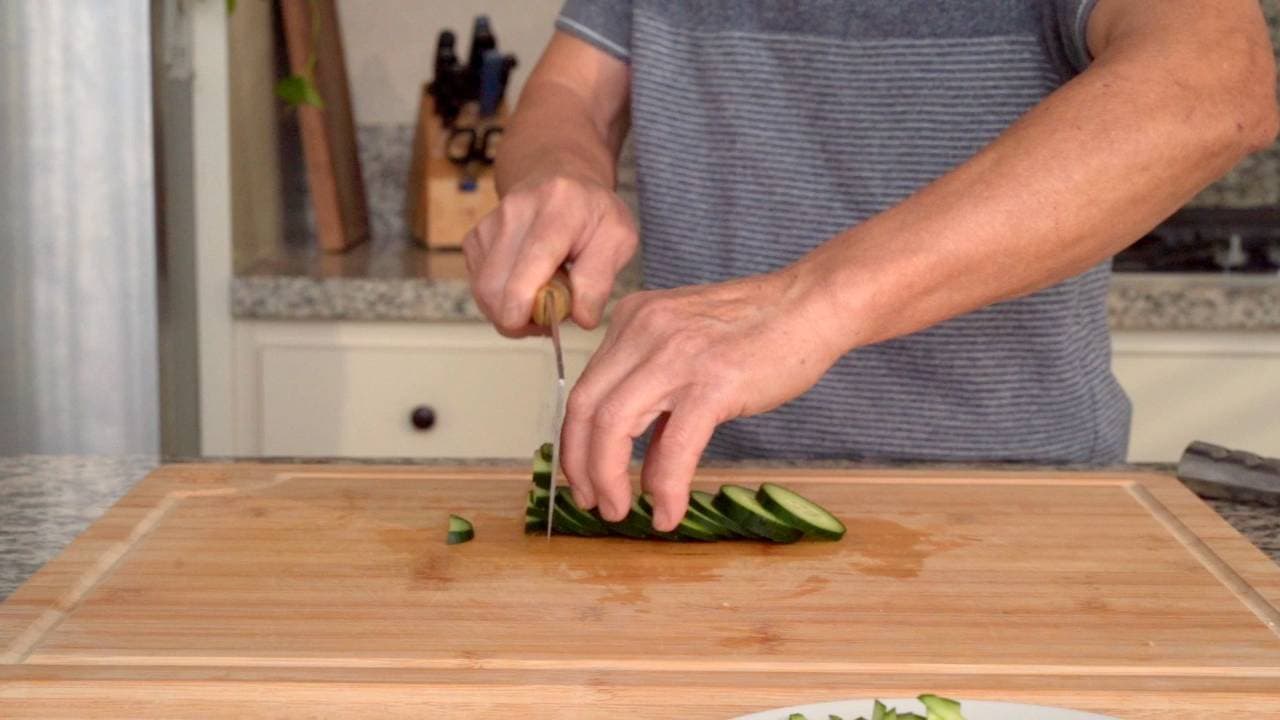
Trim off and discard the ends of the radish (20 oz), then peel it.
Cut into medium-large chunks; it’s up to you as far as the shape, but for Cantonese home cooking, we often cut it into angular pieces with an oblique or rolling cut. Otherwise, you can opt for thick slices.
In a separate bowl, combine chili sauce (1 tsp), and light soy sauce (2 tbsp). Later, when the broth is done cooking, we'll add a bit of that, which will bring the sauce together and bring its flavor up to perfectly complement the soup.
Prepare a wok with cold water, enough to cover the beef.
Add 2-3 slices of ginger, cooking wine (2 tbsp), and the beef (25 oz). These ingredients are key to reducing any gaminess and freezer odor that the beef is carrying. The parboil itself is essential to a clear, beautiful broth.
Bring it to a boil on high heat.
When it comes to a boil, lower the heat to medium-low, and cook for 5 minutes.
Transfer the beef to a large bowl of cold water. Rinse off the scum and foam that the parboiling extracted from the meat.
Pull off and discard the tough membranes attached to the meat. These parts don’t break down easily and can be difficult to chew.
In a clean soup pot, add the rest of the ginger, the rehydrated mandarin peel, the clean dried scallops, and 10 cups of water*.
Add the packet of spices, chicken powder (1 tbsp), salt (1 tsp), and the parboiled beef brisket.
Bring it to a boil over high heat.
Put the lid on but leave it askew so the soup won’t boil over. Cook for 1.5-2 hours on low heat.
*Optionally, you can use chicken broth instead of chicken bouillon powder. Decrease the amount of water by 1 cup for each can of chicken broth you use.
Add radish
Uncover the pot and add the radish to the soup.
Cover the pot fully with lid and bring it to a boil over high heat.
When it’s boiling, decrease the heat to low heat, and let it cook until the radish is tender, or about 20 minutes.
The beef is ready when you can easily pull apart the meat and the radish is ready when you can easily poke through it with a chopstick.
Remove the beef from the broth and set it aside to cool down. In the meantime, transfer the radish to a separate bowl.
Remove the tea strainer and discard the spices inside.
When the beef has cooled down, place it on a cutting board, and slice it into 1-inch thick pieces across the grain.
Portion out the radish and lay the beef nicely over the radish.
Ladle the clear broth over the beef and radish.
Finally, garnish with a sprinkle of your chopped green onions.
Don't forget to finish your sauce; add a bit of your finished broth (1 tbsp) to the chili sauce and soy sauce mix. Serve this sauce alongside the soup so that each person can add the amount they like.
Frequently Asked Questions
Can you use different cuts of beef other than brisket to make beef brisket broth?
You can certainly use other cuts of beef to make delicious broth. You'd just need to change the name to beef broth rahter than brisket broth! Whatever cut of beef you use (flank is a great alternative; oxtail and shank not so much), make sure to parboil first to get rid of scum and foam.
How do you achieve a clear broth?
It's very important to parboil the meat. It affects texture and flavor to an extent, but the parboiling step has the biggest impact on appearance; the more scum and foam that you parboil out of the meat, the less scum and foam you'll see in the broth later.
Do you have to strain the beef broth?
Since we've cleared the beef of its scum and foam during the parboil step, there's not much need to strain it. There's no harm in straining it, but you can see that my dad ends up with a pretty clear broth that doesn't need straining.
Pairs well with
View all →
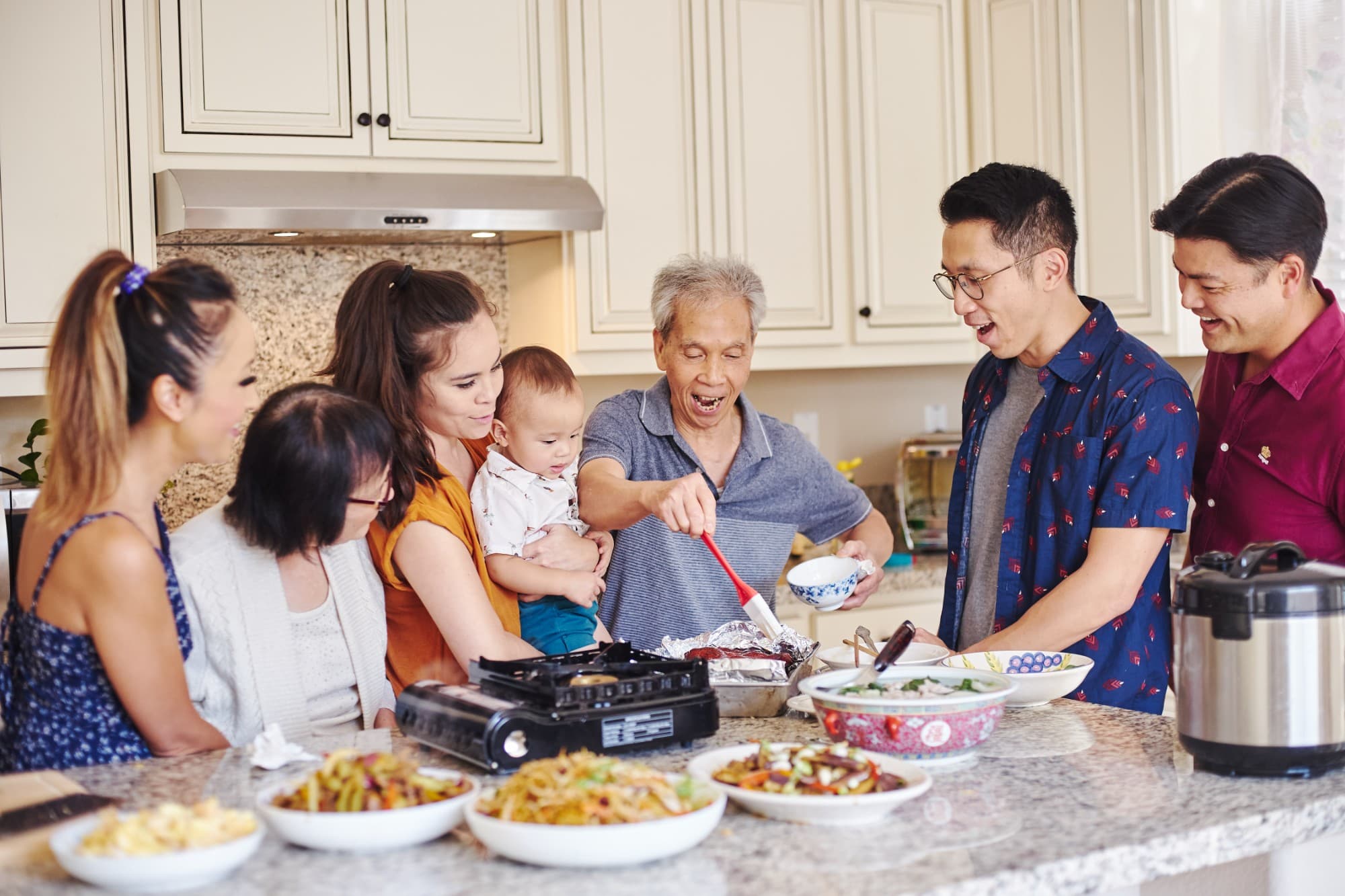
Made with love ❤️
We started Made With Lau to celebrate Cantonese culture and honor the legacy of our wonderful parents, Jenny and Chung Sun Lau.
Our hope is that these recipes and stories help you spread the joy, love, and nostalgia that I felt growing up.